Month: June 2020

  • Varietal Diversity in Finger Millet in Koraput

    Varietal Diversity in Finger Millet in Koraput

    Varietal Diversity in Finger Millet:
    Varietal Diversity in Finger Millet
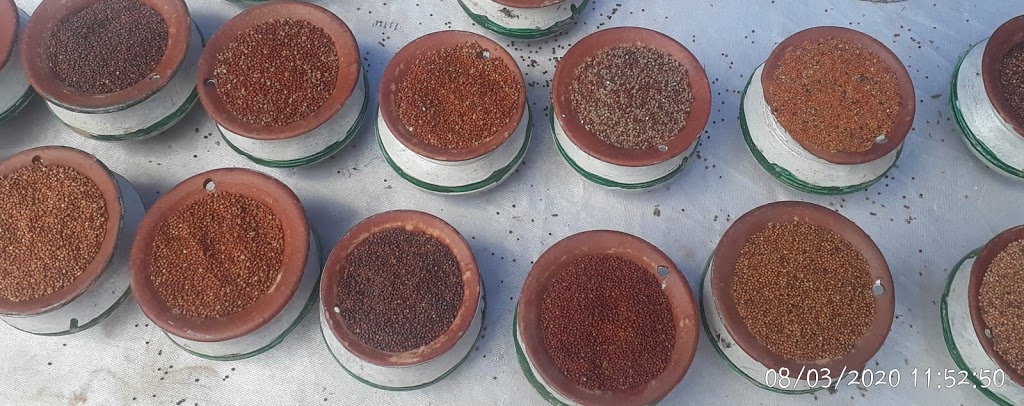
    Finger Millet Varieties in Koraput

                                         The Finger Millet is mostly grown by the tribal farmers of Koraput as it can withstand drought and can be grown in marginal and infertile soil. Finger Millet serves as an important food for nutritional security as it is rich in nutrients and easy to process as compared to other millets. The best attribute of Finger Millet is that it has excellent keeping qualities. The varietal diversity in Finger Millet is considered to be an important contributor to the resilience of the concerned farming system.

    Dasamantpur site is already facing climate change-induced weather-related issues such as late-onset of monsoon, dry spells within the crop period, heavy rains during harvest, and early withdrawal of monsoon. Varietal diversity in the household is expected to play an important role in adapting to these conditions.

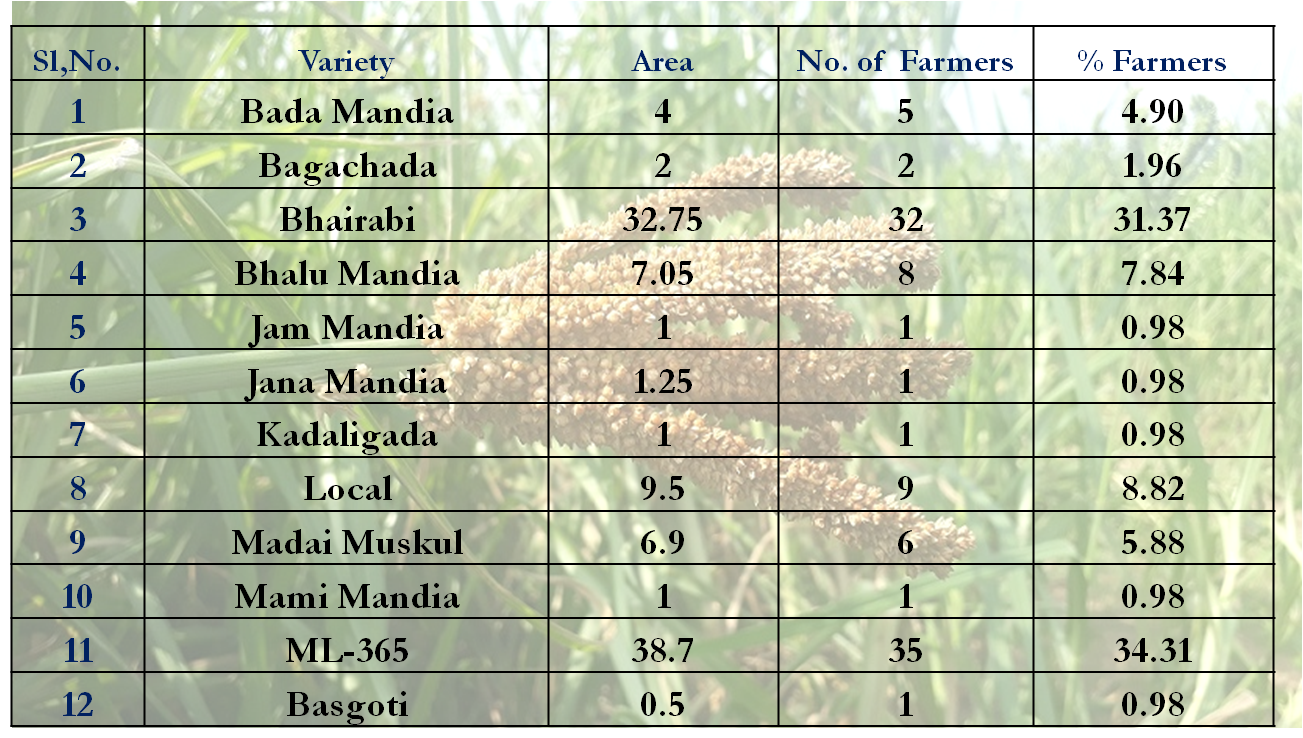
    It was observed through the survey, that there is a lack of varietal diversity in Finger Millet at the household farm level in Dasamantpur. Only three households were found with two varieties of Finger Millet each, though there were a total of twelve known varieties among the sample households.

    The existing Finger Millet Varieties was broadly classified under two heads: 1. Released Varieties 2. Local Varieties

    The two released varieties existing among the sample households were Bhairabi and ML-365.

    Similarly, nine local varieties were Bada Mandia, Bagachada, Bhalu Mandia, Jana Mandia, Jam Mandia, Kadaligada, Mami Mandia, Modai Maskuli and Basgoti.

    Varietal Diversity of Finger Millet
              (Figure: The proportion of Finger Millet Variety, area and no. of farmers)

                                              Around 65.38 percent of Finger Millet farmers were using released varieties. This is due to the Odisha Millet Mission and National Food Security Mission (NFSM – Nutri Cereals) intervention in this study area. The remaining farmers were cultivating local varieties. The category of varieties grown by 8.82 percent of the farmers could not be identified. Among the released varieties, ML-365 was found to be the dominant one (34.31 percent farmers). Moreover, the adoption of released varieties was found to be widespread across the landholding categories. 
    Varietal Diversity in Finger Millet
    Number of farmers, the area covered, and varieties wise of finger millets:(100 respondents)

    Sources of the seed of finger millet:

    It is observed that most of the farmers in the sample used department-supplied seeds (65.38 percent). The second source of seed was found to be farmer saved seeds (34.62 percent).
    The productivity of finger millet:
    The analysis of the productivity of Finger Millet is important to understand the factors behind the difference in productivity among the sample households. An analysis based on the area of landholding, the variety was undertaken, the number of farmers, the average yield, and the method of planting to understand the productivity situation in Dasamantpur.
    Figure: Proportion of average yield and the method of agronomic practices)
                             In this, it is seen that most of the sample households were using the Bhairabi variety and with this variety, they had followed(28% sample households) the system of Millet Intensification(SMI) agronomic practices. Bhairabi variety performance was accepted by the farmers as it was giving a promising average yield of 4.98 quintal/acre and due to its special character i.e. Non-lodging and good taste. Other local varieties like Madai Muskul and Basgoti average yield were found to be 6 quintals/acre but it is not considered as the sample size is only 6 and 1 respectively.
     
    Participatory Varietal Trial of Finger Millet:
    Varietal of Finger Millet
    Participatory Varietal Trial of Finger Millet

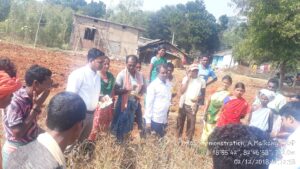
    Participatory Varietal Trial(PVT) was conducted under Odisha Millet Mission by DHAN Foundation. In every plot of the demonstration, the same agronomic practices were followed. Farmers participated in this trial and were given their feedbacks and views depending upon the yield, color, taste, duration, plant height, size of the grains, and market demand.

    This PVT will definitely help in preserving the seed variety, good in every aspect. As seen in the study, the local finger millet varieties are vanishing day by day. We need to preserve the local varieties of Finger Millet by building Community Seed Centre at the village level.
    Author: Tapas Chandra Roy, A Certified Farm Advisor on Millets, ‘Promoting Millets from Farm to Plate’. In a mission to take the forgotten grains- Millets to Millions. To remain updated on my blogs on millets you can join my Telegram Channel – Millet Advisor.
  • MSP of Millets – Bringing Hope to the Small and Marginal Farmers

    MSP of Millets – Bringing Hope to the Small and Marginal Farmers

    Minimum Support Price of Millets:

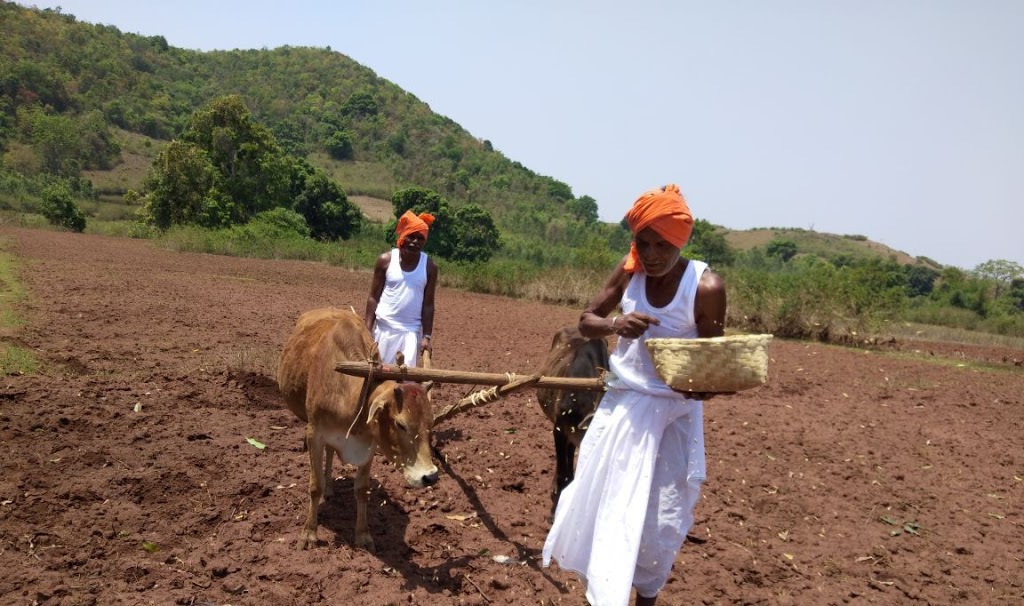
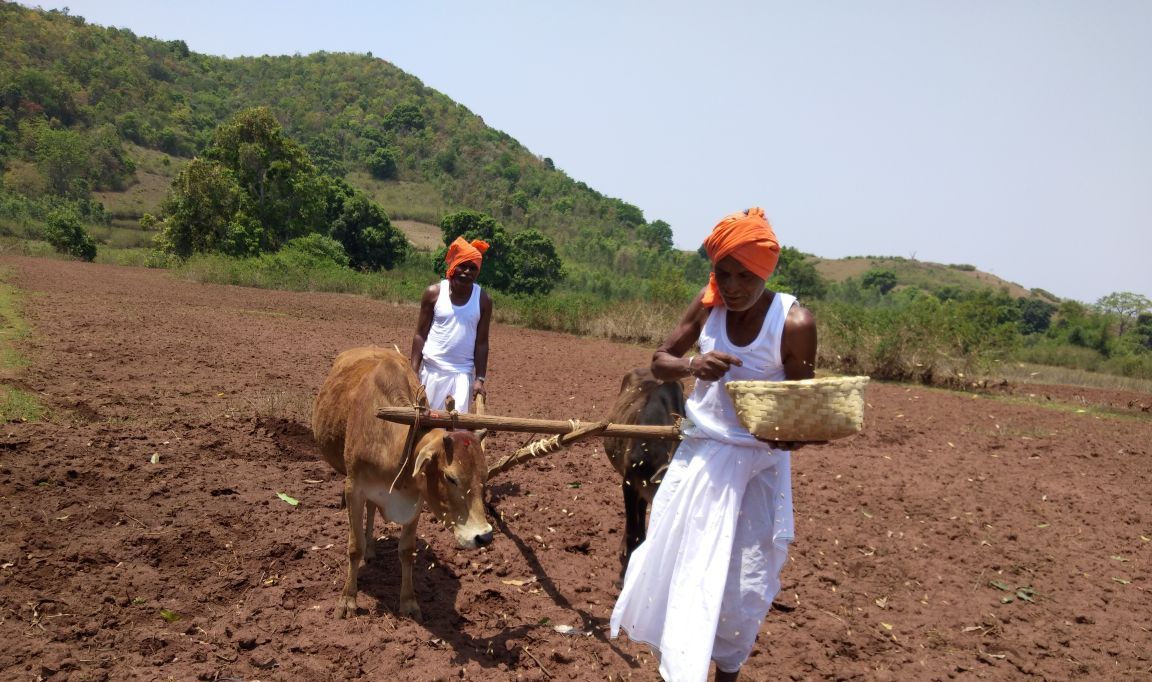
    Farmer sowing seeds
    Farmer sowing seeds on his field

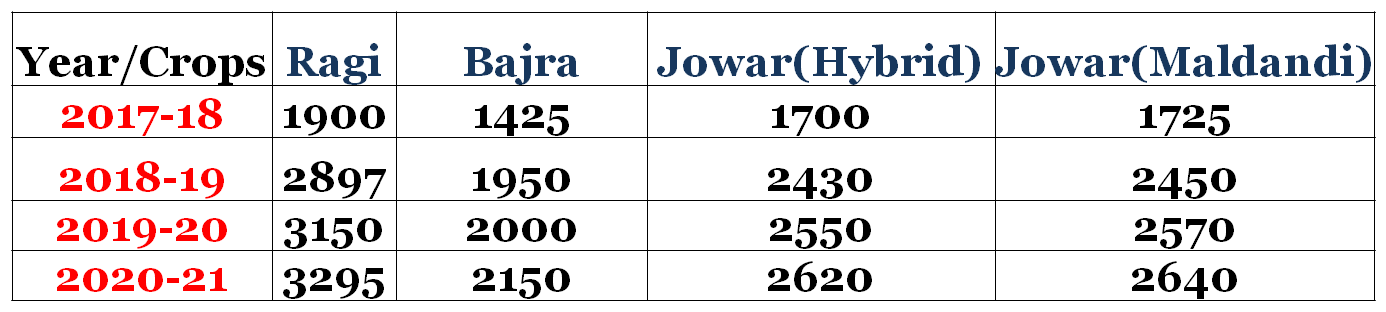
    The support for millets like Ragi(Finger Millet), Bajra(Pearl Millet) and Jowar(Sorghum) is increasing in a steady manner year after year. The Government of India has hiked the minimum support price(MSP) of Millets today based on the recommendation of the Commission for Agricultural Costs and Prices(CACP). The price of Ragi increased from Rs.3150 to Rs.3295, Bajra from Rs.2000 to Rs.2150, Jowar(Hybrid) from Rs.2550 to Rs.2620 and Jowar(Maldandi) from Rs.2570 to Rs.2640.

    minimum support price of millets
    MSP of Millets Year Wise

    The price hike in Millets crops will help the farmers to take the decision and plan accordingly in this Kharif season. Most of the farmers of our country depend on dryland farming and the suitable crops are the millets. This will definitely be helpful for small and marginal farmers.

    As you know that the demand for millets is increasing day by day due to its nutritional value and immunity booster properties. The forecast of Millet Market in the global is giving a good signal for these crops which I have mentioned in my previous Blog

    An initiative of Odisha Millet Mission:

    The support for Ragi procurement in Odisha has given a boost in the mind of the farmers for the two consecutive years under Odisha Millet Mission. This year the Odisha Government has procured about 93,000 quintals of Ragi from the farmers at the rate of Rs.3150 per quintal. Farmers of Odisha will be happy to hear the news on an increase of Rs.145 per quintal in Ragi.
    The Indian Metrological Department expects a normal monsoon this year and this will not affect the millet crops which are grown in dryland. The yield will definitely increase as farmers will focus more on these crops as they are sure of the price of their grains.
    minimum support price of millets
    Four Year MSP of Millets