Blog

  • Nutritious and Healthy Ragi Ladoos by EarthPoorna creating Food Sensation

    Nutritious and Healthy Ragi Ladoos by EarthPoorna creating Food Sensation

    Ragi Ladoos – Nutritious & Healthy

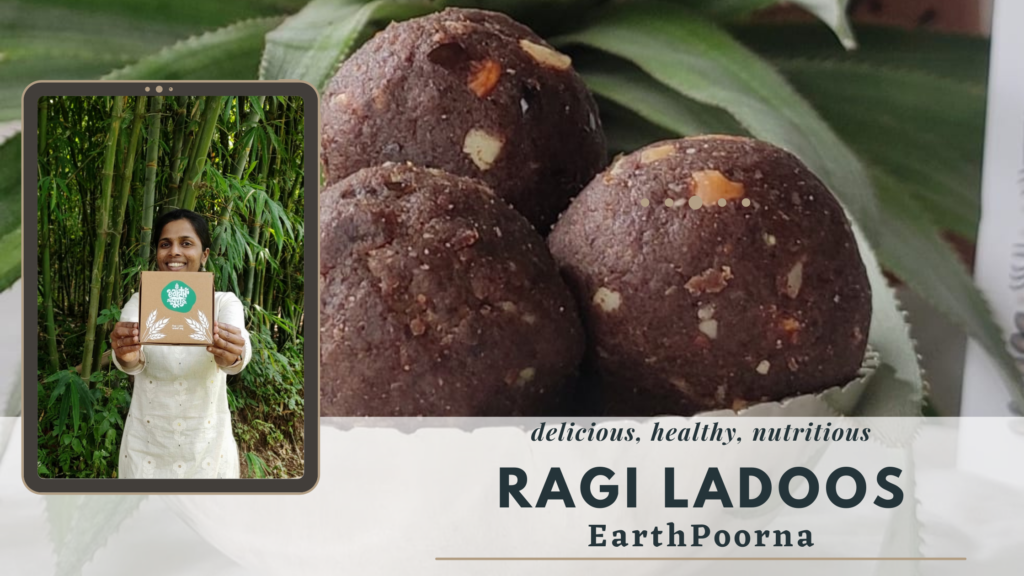
    Millets making a comeback due to their rise in demand by the people and the ability of millets to face climate change creating space on the farmers’ fields. Finger Millet (Ragi) is widely accepted in India due to its ease in processing and making different recipes. Ragi Lodoos made by EarthPorna are creating food sensations in people’s hearts.

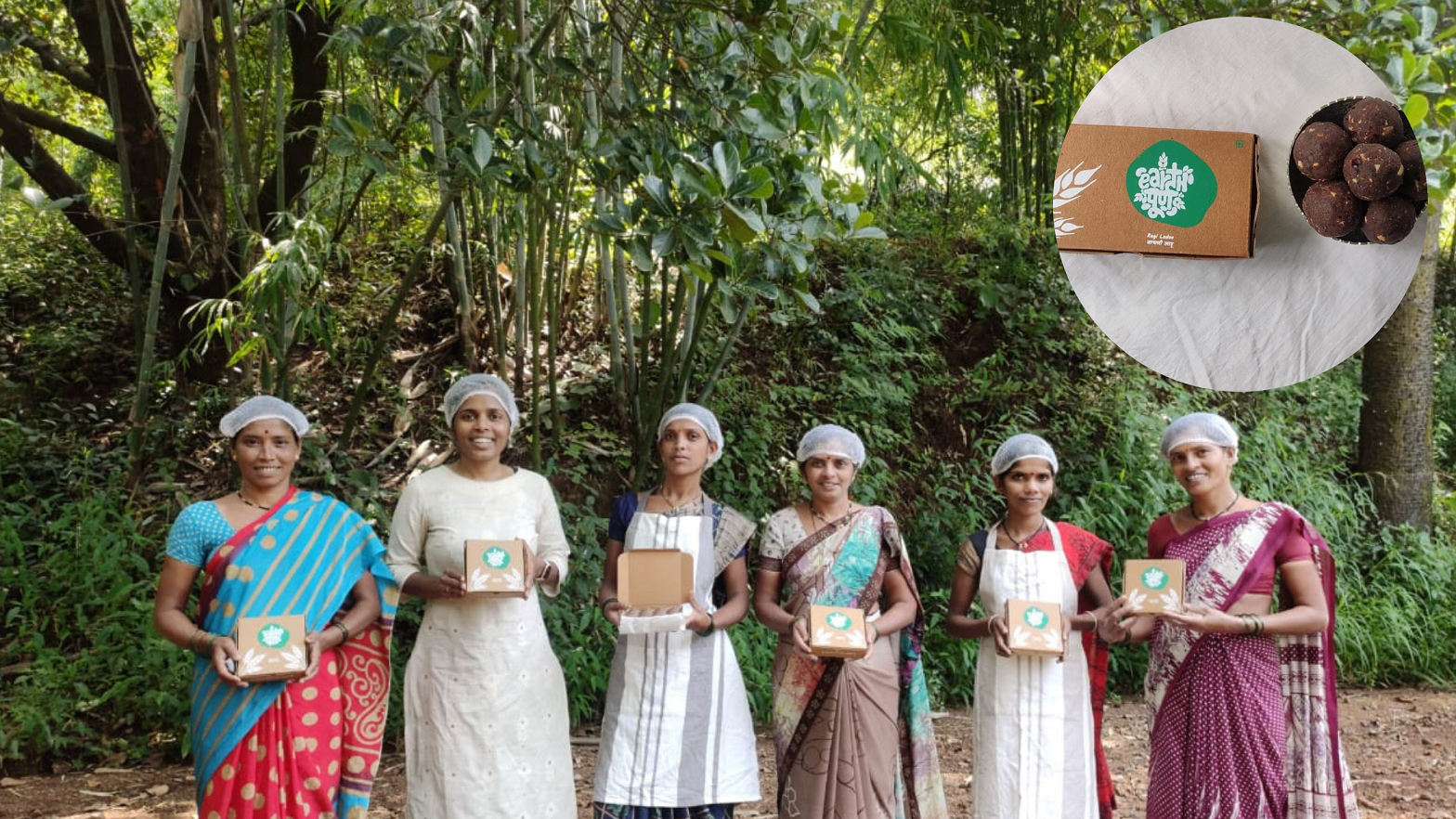
    EarthPoorna, a social venture by Sucheta Bhandare of Pune involving women in the business and procuring millets directly from farmers. Ensuring and supporting the livelihood of women and farmers.

    Before going to the story let us understand the health benefits of ragi ladoos and how it is helping people in their health.

    Health Benefits of Ragi Ladoos:

    • Rich in Calcium which is good for bones. It has been reported that 100 gm of ragi contains 364 mg of calcium.
    • It is gluten-free and it will be a good choice for people suffering from celiac disease.
    • Due to the low glycemic index, it is good for diabetic patients. The recent meta-analysis of millets has given us more evidence of their goodness in controlling blood sugar levels in our bodies.
    • It helps in maintaining good skin and prevents wrinkle formation and sagging.
    • Due to high fiber, it helps in better digestion and prevents constipation.
    • Ragi helps in checking the weight of the body by lowering the appetite and helps in the weight loss journey.

    Related Post: Health Benefits of Finger Millet (Ragi)


    After going through the health benefits of Ragi Ladoos, let us now listen to the Founder of EarthPoorna- Sucheta Bhandare a Social Entrepreneur who has taken the Ragi Ladoos to a great level and created a sensation among the people of India.
    Ragi Ladoos

    The short breaks at my school in Vadner used to be so interesting that even the thought of it makes me smile today. I used to take peanuts and jaggery, dates and grated coconut, roasted grams, and puffed rice some days, and seasonal fruits, pulses, and healthy and nutritious ladoos on other days.  During days-offs and holidays, my friends and I would go to the farms and happily devour whatever was growing there. Spending my childhood in a village in a village in the district of Nashik meant that I had no other option for the junk food that kids in the cities eat today.

    Today, although I live in a big city like Pune, my hunger pangs are still fulfilled by such simple preparation. During times of exertion and exercise, I have realized the benefits of consuming such simple yet healthy preparations. All this was easily available to me back at home because my mother made it a point to put it in my Dabba(tiffin box). In cities, there are many out there who want to incorporate such a healthy diet into their lifestyle but have no time and sources to get hold of such products.

    That is why we are bringing to you such preparations filled with love and health. A combination of your grandma’s recipe and expert advice on diets suitable to our lifestyle is what you will find in our natural and tasty preparations. We at ‘EarthPoorna Foods’ are glad to serve you delicious food in your office, school, gym, college, and at your home.


    EarthPoorna – Impact on the life of Women, Farmers, and Consumers:

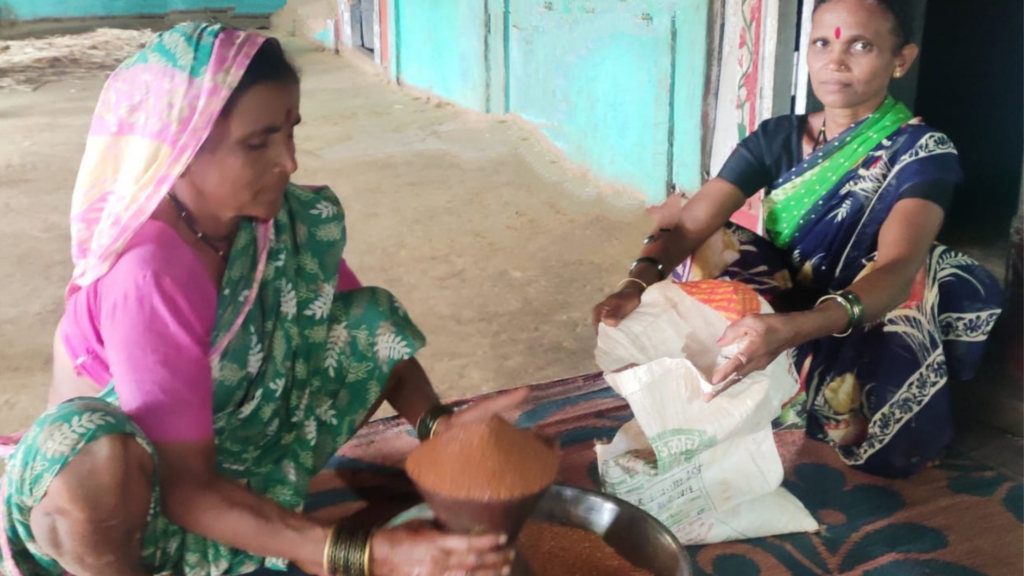
    The best thing about EarthPoorna is that the chemical-free raw materials are procured directly from the farmers. In the initial days, it was difficult to get ragi grains, but slowly Sucheta Bhandare convinced the farmers of her locality to cultivate and promised to pay a better price. Farmers were happy and started cultivating ragi in their fields when they could find a better market for their produce.
    Ragi Procurement directly from farmers
                                                                                        Photo: Ragi Procurement directly from farmers

    EarthPoorna has a team of dedicated and well-trained women who make delicious, healthy, and nutritious ragi ladoos. This venture has bought about a change in the life of the women and improved their livelihood status.

    The EarthPoorna Ragi Ladoos impacted the health of the consumers. Now, people have got a nice product to choose from. Ragi Ladoos has reached the different corners of the country. The feedback from the consumers is amazing and they are recommending it to their friends and relatives. They liked the taste of the Ragi Ladoos. It is becoming a part of every festival in India. It has created positive vibes among consumers.

    Ragi Ladoos
    EarthPoorna’s Ragi Ladoos among the Trekking Group

    The uniqueness of EarthPoorna’s Ragi Ladoos:

    The Ragi Ladoos are made by maintaining proper hygiene and cleanliness. These products are tested in the Government Lab and a proper nutrients certificate is obtained and also certified by the Food Safety and Standards Authority of India (FSSAI). Ragi Ladoos is made under the guidance of a Nutritionist and Ayurveda practitioner.

    Ragi Ladoos are made in four variants. The main ingredients of the ladoos are Ragi flour, Jaggery, Cow Ghee, dry fruits, dry dates, flax seed powder, and Cardamom powder. One of them is the multigrain ladoo which is made with a combination of pulses, flax seeds, jaggery, ghee, and almonds. Research has found that millets in combination with pulses improve the bio-availability and absorption of nutrients in the body.

    This makes EarthPoorna’s Ragi Ladoos unique in the market.


    Online Presence of EarthPoorna’s Ragi Ladoos:

    The presence of ragi ladoos in the online platform connects consumers from different corners of the country.
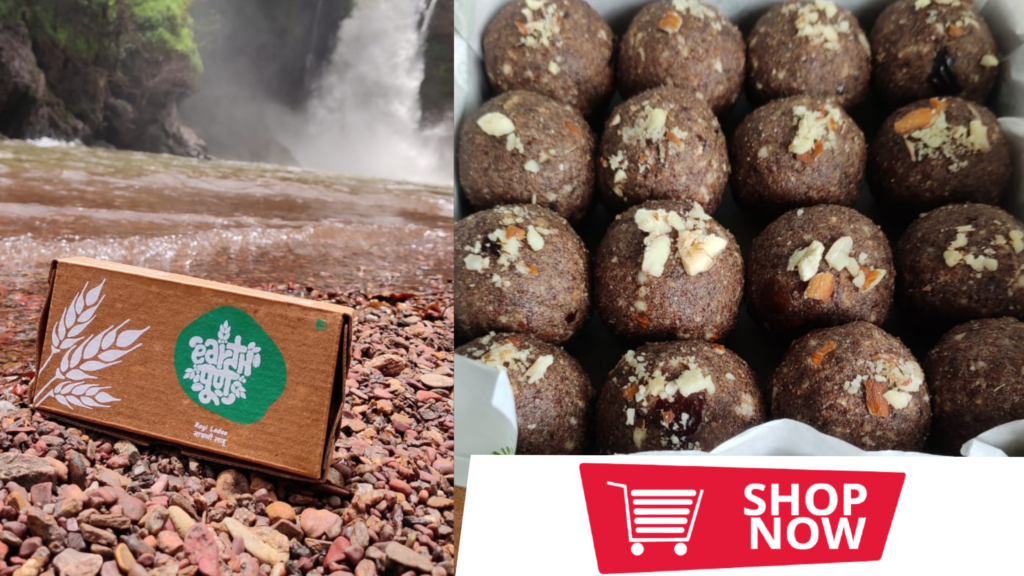
    Ragi Ladoos
                                                                                                                               Click to buy Online

    Adding Ragi Ladoos to your diet will definitely keep you and your family healthy. EarthPoorna’s venture works for the sustainable development of farmers and simultaneously provides you with wholesome and healthy food. I hope this social enterprise will flourish more in the days to come and bring smiles to the face of the farmers and keep us healthy.


    Author: Tapas Chandra Roy, A Certified Farm Advisor on Millets, ‘Promoting Millets from Farm to Plate’. In a mission to take the forgotten grains- Millets to Millions. To remain updated on my blogs on millets you can join my Telegram Channel – Millet Advisor.
     

  • First Ever Solar Millet Processing Unit under Odisha Millet Mission

    First Ever Solar Millet Processing Unit under Odisha Millet Mission

    Solar Millet Processing Unit:

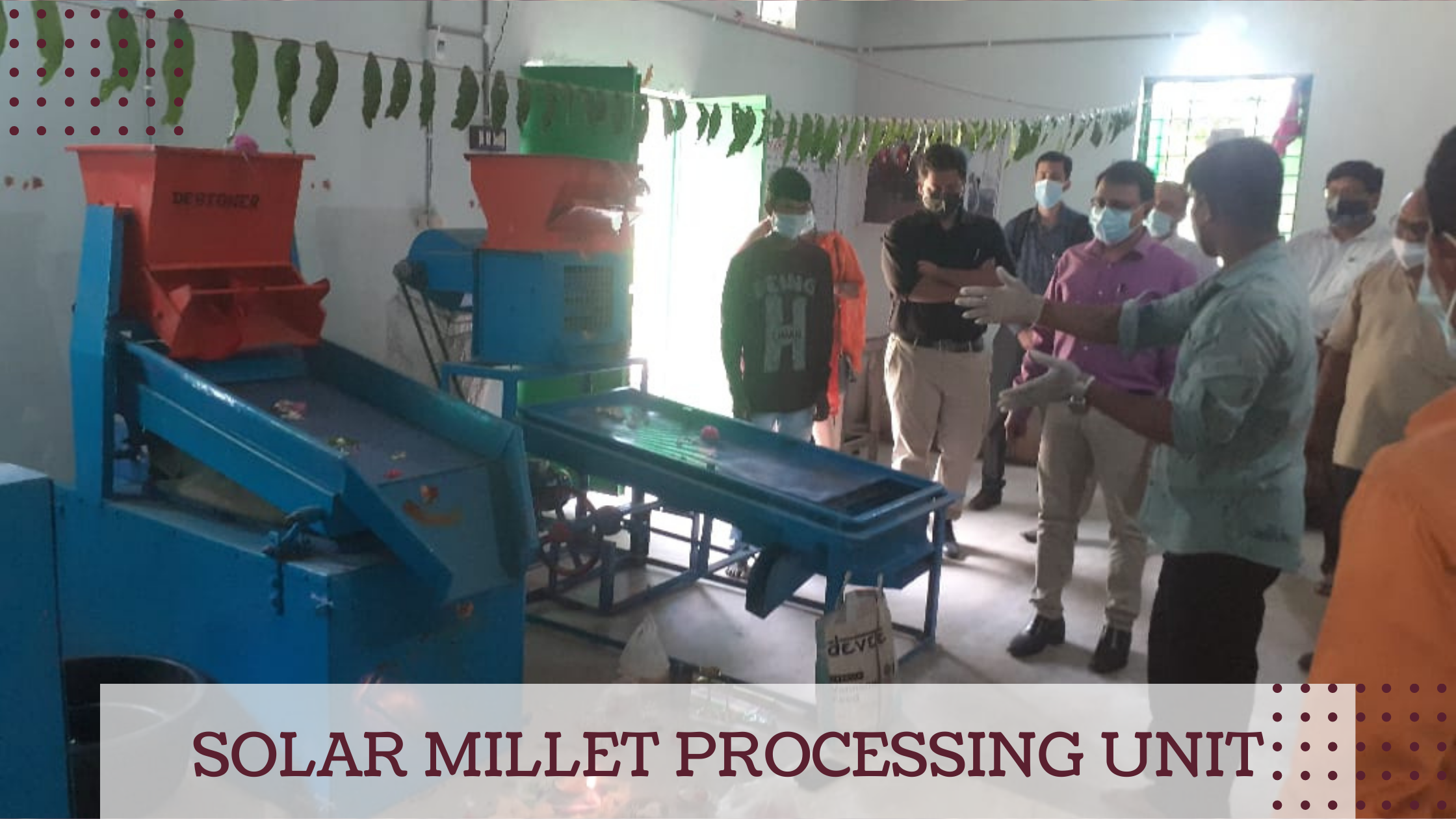
    The first-ever solar millet processing unit was inaugurated on 10th, August 2021 in the village Gobindapur of Manikapur GP, Mohana Block of Gajapati district in Odisha. This unit is established with support from Odisha Millet Mission, Watershed Support Services and Activities Network(WASSAN), and SELCO Foundation, to be managed by Taptapani Farmer Producer Company(FPC) and facilitated by SACAL.

    This unit was inaugurated in presence of the Sub-Collector, Block Development Officer, Tahasildar, and other government officials.

    This center is the first new project and it will reduce drudgery in women and the most important aspect, it will reduce the carbon footprint. As we know processing millets is a difficult task and processing in a traditional way involves drudgery and consumes a lot of time. It takes about one hour to process one kilo of millet grains.

    Odisha Millet Mission’s main objective is to promote household millet consumption, establishing decentralized millet processing units, promoting the Farmer Producer Organisation for marketing, and the inclusion of millets in the ICDS Programme and Mid-day meals. This solar millet processing unit will cater to all the purposes of the millet mission.

    With the help of Mission Shakti, Self Help Groups(SHG) can become self-reliant and independent by opening Millet Shakti Shop. They can get the processed millet grains like Foxtail Millet, Little Millet, Sorghum, and Finger Millet(Ragi), and millets grain flours.

    In the inaugural session, the Sub-Collector announced to make this unit a profitable enterprise by providing a better road and godowns. The Block Development Officer encouraged the branding of millet products and others praised Odisha Millet Mission for working for health and nutritional security.

    Machines in the Solar Millet Processing Unit:

    1. A set of Millet Grader: The grader will help in separating the inert materials like big stones, sticks, sand, grass, etc from the millet grains.
    2. Destonner with Aspirator: It will help in separating the same size stones, mud balls from the grains.
    3. Multigrain Huller: For removing the husk and separate the millets from the husk. It has a capacity of 100-150kg/hour.
    4. Polisher: It will help in removing the thin glome layer or the upper thin layer from millet grains and produce polished grains and it has the capacity of 50-100 kg/hour.
    5. Pulverizer: It will be used for grinding the millet grains into powder form. The capacity of the pulverizer is 10 to 15 kg/hour.

    Related Post: Millet Processing Machines

    The solar millet processing unit can run for 4 hours with full capacity with a full day charge. One machine can be operated at once with battery backup.

    Grading, destoning, polishing, and pulverizing of Ragi, Foxtail Millet, Little millet, Sorghum, etc can be done in this unit. FPO can get processing charges for processing and can also use for self-business purposes. FPO is currently planning for processing that will support local consumption and marketing of millet in local and nearby urban markets.

    Nowadays, there is a demand for healthy food, and millets can provide better nutrition as compared to other grains. This solar millet processing unit will not only help for the processing of millets but will also encourage farmers to grow millets in their area.

    In the coming days, more millet processing units are to be installed in Odisha under Odisha Millet Mission and this initiative will definitely help millet growing farmers and also empower women in Odisha.


    Author: Tapas Chandra Roy, A Certified Farm Advisor on Millets, ‘Promoting Millets from Farm to Plate’. In a mission to take the forgotten grains- Millets to Millions. To remain updated on my blogs on millets you can join my Telegram Channel – Millet Advisor.


  • How Millet Food Festival ensuring Nutritional Security of Tribals in Odisha

    How Millet Food Festival ensuring Nutritional Security of Tribals in Odisha

    Millet Food Festival Ensuring Nutritional Security:

    Nutritional Security is achieved ”when all people at all times consume food of sufficient quantity and quality in terms of variety, diversity, nutrient content and safety to meet their dietary needs and food preferences for an active and healthy life, coupled with a sanitary environment, adequate health, education and care” (FAO, 2012). No doubt, now India is self-sufficient in food grain production but we are facing the challenges of nutritional security.

    So, India is taking a lot of initiative for achieving Nutritional Security by 2030. In Odisha, it is clearly mentioned in Samrudhi (Agriculture Policy-2020) in which the Vision aimed at continuously raising farmers’ income and welfare while ensuring nutritional security. Nutrition has become the mainstream of all agriculture activities. Odisha Millet Mission Model is one of the programs ensuring nutritional security.

    Food Festival under Odisha Millet Mission:

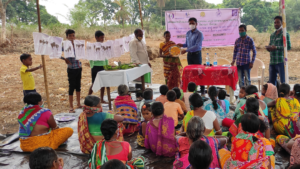
    Special Programme for Promotion of Millets in Tribals Areas of Odisha (Odisha Millet Mission) was launched by the Government of Odisha in 2017 to revive millets in farms and on plates. Under this mission, Millet Food Festival is a program of 2 days. On the first day, the tribal women are trained in making millet recipes, and on the 2nd day, they come with their own millet recipes. This program helps in bringing the forgotten millet recipes and also it gives learning for other women.

    Related Post: Traditional Millet Recipes of Koraput and their Perceptions

    Millet Food Festival in Koraput:

    Millets are part of everyone’s diet in the tribal areas of Koraput. We cannot live without millets as it gives us more energy to do all the activities throughout the day. Every morning starts with Mandia Jau (Ragi Porridge) said by Jema Majhi of PaikaPuki village of Gadiaguda Gram Panchayat in Dasamantpur Block.

    Millet Food Festivals were organized by DHAN Foundation in Dasamantpur Block. The tribal women were trained on the importance of millets and their nutritional value. They were taught how to make murukkus, ragi pakodas, ragi ladoos, and many more. The children of the village liked the millet recipes which were made on the first day.

    In 2019, when I was doing my Project Work on “Utilization of Finger Millet in Nutritional Security” could find out that including millets in the mid-day meals and in ICDS will increase the consumption of millets among the children. Many farmers’ concern was that their children hesitate to take millet food at home and they recommended including it in mid-day meals. Many children said that they don’t like ”Mandia Jau” every day but like to have ragi ladoos, ragi biscuits, cake, idli, dosa, millet upma, etc.

    On this day, the tribal women came with many recipes made out of Finger Millet, Little Millet, and Foxtail Millet. Finger Millet is the main crop of most farmers in Koraput as it is easy in cultivating, processing and make food items. But it is not the same case with Little Millet and Foxtail Millet as these millets require processing and it is very difficult to do.

    I was very happy to see the millet recipes. Really they have the talent in making awesome recipes. Now, let us see some recipes made by them on the Millet Food Festival Day.

    Millet Food Festival in Odisha
    Mandia Anda (Ragi Balls with Rice)
    Millet Food Festival in Odisha
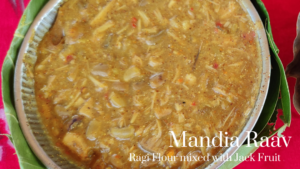
    Mandia Ponosh Raav( Ragi Flour mixed with Jack Fruit)

    The combination of Mandia Anda with Mandia Ponosh Raav is enjoyed by the children. As you know Jack fruit is known as the poor man’s fruit rich in vitamins A, B, C, and Calcium, potassium, proteins, iron, and carbohydrates. When millets mixed with fruits and vegetables it enhances the nutrition profile of the food.

    Millet Food Festival Odisha
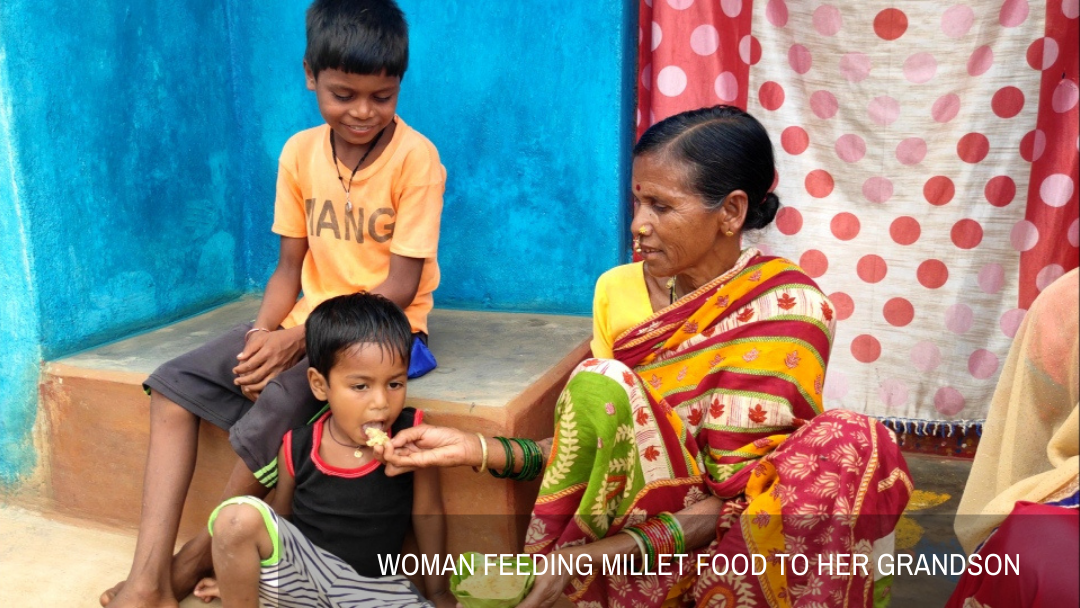
    Women feeding Millet food to her grandson

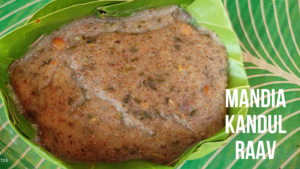
    Scientists have found out that a combination of Millets with Pulses increases the quality of protein. The proportion of essential amino acids in millets and pulses complement each other. One such recipe was with millets and arhar dal. In this recipe, water is taken in a kadai and heated up and then the greens and soaked arhar dal are put into it. Turmeric, chili, and salt are added. When it is cooked properly, ragi flour and tamarind are put into it. It is cooked for some time and the recipe is ready. The uniqueness I marked in most of the recipes is that they don’t use oil and spicy masala.

    Millet Food Festival in Odisha
    Mandia Kandul Raav (Ragi flour is mixed with Arhar Dal)

    In the beginning, they were a little shy to come out with the millet recipes but later on when they were encouraged and motivated. They were told that the best millet recipes will be awarded a prize. Few of them were excited to participate in this program. Looking into the uniqueness of the recipes, the first, second, and third were chosen and awarded. I could mark their happiness when distributing the prizes to the winners.

    Millet Food Festival in Odisha
    Distribution of Prize to the Winner

    Such Food Festival will encourage the women to make the forgotten millet recipes and it will be learning for other women when they exchange their ideas on how to make the millet recipes. In this way, we can revive the millets on plates and thus ensure Nutritional Security in the tribal areas of Odisha.


    Author: Tapas Chandra Roy, Certified Farm Advisor-Millets

  • Can we eat Millets daily in 2021 for better Health and Immunity

    Can we eat Millets daily in 2021 for better Health and Immunity

    Can we eat Millets Daily?

    The demand for Millets is growing as people around the globe have become more conscious about their health. Most of the health problems arise only due to the food we intake. The magnificent ancient grains taking their place in the diet plan due to their high nutrition profile. But while planning to include it in the diet, the spontaneous above question arises- “Can we eat Millets Daily”? Don’t worry, today I will be answering all the queries, and by the end will ensure that every stone of doubt is overturned.

    Benefits of eating Millets Daily:

    Millets were part of our diet as history speaks that Millets were cultivated around 7000 years back. In India during the 1960s Millets were the staple food grains but gradually after Green Revolution, it was replaced by Wheat and Rice. But now the trend of local grain has come back. Let us understand the benefits of eating Millets daily. Embracing the goodness of millets will definitely improve our health and immunity. In 2021, we should focus more on food rich in nutrients, minerals, vitamins, proteins, and anti-oxidants. I will say Millets are the right grains.

    • Millets are rich in Nutrition:

    Good nutrition is essential for our body to function well and to maintain good health. Millets are a good source of Calcium, Magnesium, Manganese, Phosphorous, Copper, Iron, and many more. Take the case of Ragi, it contains about 364mg/100 g of grains. Calcium is essential for strong bones. Pearl Millet is rich in Iron and Zinc and it is recommended for pregnant women.

    Can we eat millets daily
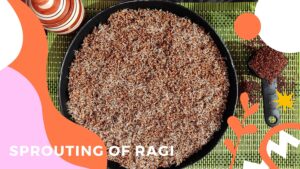
    Sprouting of Ragi raises the Calcium level
    • Millets help to build Strong Immunity:

    Strong Immunity is required to fight infection in our body. Millets are superior to other grains in terms of carbohydrates, dietary fiber, antioxidants, proteins, vitamins, minerals, and micronutrients. Research has found that Strong Immunity is the key weapon in the fight against COVID-19.

    • Millets help in Weight Loss:

    The presence of high dietary fiber and low-calorie count in millets helps in the weight loss journey. If you are looking for losing weight then you can select the best millets for weight loss like Foxtail Millet, Sorghum, Barnyard Millet, Pearl Millet, and Finger Millet. Millets also contain Policosanols and Tryptophan which help in Weight loss.

    Click to Buy Best Millets Online

    • Millets help in controlling the sugar level:

    The low glycemic index of millets favors controlling the blood sugar level in the body. In my previous blog, I have mentioned the millets which are good for diabetic patients.

    Related Post: 10 Health Benefits of Millets


    How much Millet to Eat Per Day:

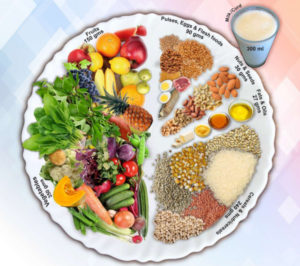
    Research has made things simple and easy for us. Blindly following a diet or taking a particular cereal every day may have side effects on our bodies. So taking the right kind of food and the right amount of food is very crucial. According to the ICMR-National Institute of Nutrition, Hyderabad, one should consume about 270 gm of Cereals including Nutri-Cereals(Millets). So, if you are taking millets then you can take about 1/3 rd(90-100gm of millets per day) of the recommended quantity.

    Can we eat millets daily
    My Plate for the Day, Source: ICMR-NIN, Hyderabad

    We should not take only millets rather mix prescribed amounts of different types of vegetables, pulses, fruits, nuts, seeds, milk/curd, fats, and oils.

    ICRISAT, Hyderabad conducted a scientific study on introducing Millets into a school feeding program and the outcome of the study was phenomenal. To improve the quality of the protein Millets were mixed with legumes. The proportion of essential amino acids in millets and legumes complement each other. So, combinations provide a higher quality of complete protein.

    When you cook millets, try to add legumes(Pulses) in the ratio of 3:1(Millets: Pulses).

    Click to Buy Best Millets Online

    How to eat Millets and include them in our diet:

    Always start with one or two millets and gradually include other millets. You can have one millet for two days and then change to another one. Every millet has its uniqueness in terms of nutrition, minerals, proteins, and micronutrients. Previously I have written a blog on “How to cook Millets Perfectly”, you can go through it, and definitely it will help in understanding millets better. Let me suggest some millet recipes which you can include in your breakfast, lunch, and dinner.

    1. Foxtail Millet Upma Recipe
    2. Ragi Dosa Recipe
    3. Millet Pulao Recipe
    4. Little Millet Idli

    I think by now you have got the answer to the question “Can we eat Millets Daily”? Make millets a part of your diet and definitely, you will feel the change in you and your family. I have witnessed the change in my family and hoping for the same from you.

    If you have any suggestions or advice please do comment below, I will be happy to hear from you.


    Author: Tapas Chandra Roy, Certified Farm Advisor on Millets –Promoting Millets from Farm to Plate


  • 10 Health Benefits of Millets will make you fall in love with it

    10 Health Benefits of Millets will make you fall in love with it

    Health Benefits of Millets:

    In this busy world, we sometimes forget the good things, which matters a lot for our life and healthy living. We do not care unless until we do not need it again. The same thing happened with millets. It was the time in India when millets were part of people’s diet during the 1960s. Millets came into my life 6 years back and became a part of my family.
    Let’s listen to what Millets says, “It’s time to rethink and bring our lost traditional millets and rediscover my values, benefits and make me a part of your daily life”. We have fallen in love with it because it has changed many things in our life.

    I am Tapas Chandra Roy, a Certified Farm Advisor on Millets, promoting millets from farm to plate. In this blog, I will be presenting the 10 Health Benefits of Millets. I am sure after knowing the health benefits of millets and their value, you will definitely include them in your diet.

    If you are new to millets and want to know about the different types of millets grown in India and how does it look it. CLICK HERE

    Health Benefits of Millets:

    1. All millets are gluten-free and recommended for celiac patients.

    Celiac disease is a digestive disorder that damages the small intestine, triggered by eating food containing gluten. Gluten is a protein found in wheat, rice, and many more grains. Gluten makes the dough elastic.
    When someone with celiac disease eats gluten food, their body overreacts to the protein and damages the villi of the small intestine.
    Celiac disease is found in 1 out of 100 people worldwide. So, millets are becoming a part of the diet of celiac patients.

    2. Due to a low glycemic index, Millets control diabetes.

    Health Benefits of Millets

    Many of us might be heard from our forefathers that, they had no diabetes during their time. But now, it is increasing at a fast rate in India and abroad. Now you could rightly point out what is going wrong now. It is all about the diet we consume, the lifestyles we are following with no exercise. It must be coming to mind, why we should consider millets.

    Millets have a low glycemic index, that means it raises the blood sugar slowly in the body instead of rising quickly as in case of rice.
    Due to the presence of high fibre, it takes more time for digestion. Millets contain complex carbohydrates which digest slowly in the body.
    If you are diabetic, want to add millets to your diet, then this article is for you from where you can make a choice, 5 miracle millets for Diabetes.

    3. Health Benefits of Millets -Millets help in decreasing obesity/weight loss.

    Due to less fibre in our diet, there is an increase in obesity in India mostly in urban areas. We are preferring more refined cereals based which contain less fibre. Dietary fibre helps in the retardation of carbohydrates absorption and impaired glucose tolerance. It helps in increasing the transit time of food in the gut. Tryptophan is found in millet (Foxtail Millet), which helps in managing weight. The presence of policosanols (Sorghum) favours weight loss. To understand, why millets help in weight loss, then this video is for you.

    4. Millets help in reducing the risk of cardiovascular disease.

    Millets contain essential fats, just the right amount to give our body natural fat. This helps prevent fat from depositing over muscles and
    avoid high cholesterol, heart strokes and heart-related diseases.

    5. Health Benefits of Millets in preventing Cancer.

    Millets are effective in the prevention of cancer initiation and progression. Millets contain fibres and phytonutrients, the combination of which is believed to reduce the risk of developing colon cancer.

    6. Millets helps to slow the ageing in our body.

    Everyone likes to look and remain young always. Millets are a good source of antioxidants. The high amount of anti-oxidants present in millets fights with the free radicals present in the body which slows down the ageing process.

    Health Benefits of Millets

    7. Millets help in better sleep.

    Are you worried about getting better sleep? Tryptophan in millets raises the serotonin level in the body, which helps in reducing stress.

    8. Millets help in reducing Hypertension.

    Millets help in preventing oxidation of low-density lipoprotein thus reducing hypertension.

    9. Health Benefits of Millets in preventing Anaemia.

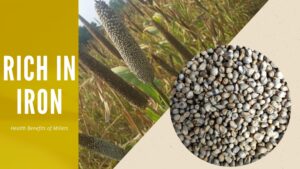
    In India, Anaemia is prevalent and it is mostly found in children, pregnant and non-pregnant women. Millets are the best source of iron. Iron is beneficial in preventing anaemia. Pearl Millet (Bajra) contains the highest iron content (11 mg per 100gm grains). Consumption of Pearl Millet prevents iron deficiency in the body.

    Health Benefits of Millets

    10. Millets improves skin elasticity.

    Millets are rich in amino acids called L-Lysine and P-Proline. Millets help to create collagen in the body, a substance that gives structure to the skin and tissue. Thus eating millet fortifies the collagen level to improve skin elasticity and makes it less prone to wrinkles.

    Millets are good for adults as well as for babies and children. The recent first scientific study on millet-based meals in-school programs boosted growth in children by 50%. I too have given millet food to my daughter right after 6 months and still continuing it. The best millet is Ragi which you can add to your baby’s diet after 6 months of age. Why millets are good for babies?? Here is the Answer.

    Hope these 10 health benefits of millets have given you enough reasons to add millets to your diet and after it in your regular diet, you will definitely fall in love with it as it will keep you healthy always. To know more about millets and millet recipes, you can subscribe to my Youtube Channel.

    Please let me know in the comment box, how was the article and how you are planning to add millets to your diet. I will be happy to hear from you.

    Author: Tapas Chandra Roy, A Certified Farm Advisor on Millets, ‘Promoting Millets from Farm to Plate’. In a mission to take the forgotten grains- Millets to Millions. To remain updated on my blogs on millets you can join my Telegram Channel – Millet Advisor.
  • Sorghum a Wonder Grain for New Enthusiastic Entrepreneurs

    Sorghum a Wonder Grain for New Enthusiastic Entrepreneurs

    Sorghum a Wonder Grain:

    Sorghum is an ancient grain that comes under the major millet category. Major millet due to its size and the area of production. This grain is the nutrient-rich, gluten-free, and best alternative to wheat and rice in terms of everything. We called ”Sorghum a wonder grain” due to its versatility and making its space in every sector like Food, Feed, and Fuel. Sorghum is a smart food that is good for you, good for the planet, and good for the farmers(ICRISAT).

    Nutritional Profile of Sorghum:

    According to the report of the National Institute for Nutrition, Hyderabad in every 100 grams of Sorghum grains contains 67.7 g of Carbohydrates, 9.9 g of protein, 1.73 g of fats and provides the energy of 334-kilo calories. It has captured its position in terms of dietary fiber (10.2 g) and 133 mg Magnesium and 39.4 μg Folic acid. It also contains Calcium(27.6 mg), Phosphorous(274 mg), Zinc(1.9 mg), Thiamine (0.35 mg), Riboflavin (0.14 mg) and Niacin(2.1 mg) per 100 grams of grains.


    Health benefits of Sorghum:

    • Sorghum reduces hypertension. It contains lesser Sodium(7.3 mg/100g) and higher potassium(408mg/100g) as compared to other cereals and these properties help in the therapeutic use for hypertensive patients.
    • Sorghum helps in Weight Loss. It contains policosanols that help in reducing cholesterol in the body and thus intake of policosanols favors weight loss.
    • Sorghum is good for diabetic patients. Due to the low glycaemic index, it helps slow down glucose levels in the blood.
    • Sorghum inhibits Cancer tumor growth. The scientist has found out that the presence of 3-Deoxyanthoxyanins in darker Sorghum have antiproliferative activity against human colon cancer cells (Journal of Agricultural and Food Chemistry – March 2019).
    • Sorghum is found to be good for the patient suffering from Celiac disease as it is gluten-free.

    Why Sorghum is good for the New Entrepreneurs:

    Sorghum has opened up its potential in the field of Food, Brewing, Livestock, and Export Industries. The demand for Sorghum is increasing as nowadays people are becoming more health-conscious and preferring the forgotten ancient grain in their diet. As per the report announced by the Report Linker, the Millet market of North America is expected to grow at a CAGR of 4% to reach US$ 1192.24 million by 2027. This will create more opportunities for entrepreneurs.

    Now, lets us see how Sorghum has created its space in the market and how it can be utilized on a commercial basis.

    • FOOD INDUSTRY: Sorghum a wonder grain fits well in baking, popping, gluten-free mix, extrusion, and flakes. Indian Institute of Millets Research(ICAR-IIMR), Hyderabad a premier institute solely popularising Millets as healthy food under the brand name “Eatrite”. The Nutrihub incubation program is designed to help Nutri-Cereals Startups to grow in a streamlined fashion.

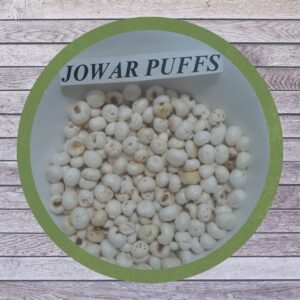
    The demand for millets is increasing due to their health benefits. Sorghum flour is replacing wheat flour in many households in India. Mostly ”Roti” are made with sorghum flour. Sorghum puffs are ready-to-eat (RTE) snacks that are developed by using Puff Gun Machine. It serves as healthy evening snacks, especially for children.

    Sorghum a wonder grain

    Sorghum is also used for making cookies/biscuits. I have tasted the biscuits made from Sorghum at IIMR, Hyderabad. It was really soft, tasty, and delicious. It can surely compete with the products available in the market.


    • CUTLERY INDUSTRY: The word “Cutler” is derived from the Middle English word Cuteler. The cutlery is generally made of metal, wood, plastic and now the trend of disposable. During the COVID-19 situation, there is a shift in the eating etiquette trends and people are preferring different types of cutlery. Increasing hygiene has resulted in the high use of disposable cutlery that is made of bamboo and wood.

    According to Future Market Insights(FMI), disposable cutlery sales are estimated to rise CAGR by 4% from 2021 to 2031, in comparison to a CAGR of 3.4% from 2016 to 2020.

    The trend of Cloud Kitchen is increasing at a faster rate in India and Online Food Delivery Service providers like Swiggy and Zomato creating more opportunities for disposable or single-use cutlery.

    But there is an opportunity of making cutlery, which is edible and this can be made from Millets. No doubt it is disposable at a faster rate and also it can be consumed just after completing the meal. Among millets, Sorghum fits well in this cutlery industry.

    BK Environmental Innovations claimed to be the first to introduce cutlery made of Sorghum which is edible. Narayan Peesapaty, MD makes cutlery under the brand name Bakeys. In this segment, he makes spoons, forks, knives, and chopsticks using Sorghum flour as the base material. This cutlery can be decomposed within 4-5 days and it is made without preservatives and has a shelf life of 3 years.


    • BIO-FUEL INDUSTRY: The increase in petroleum prices and the contribution of Fossil Fuels to global warming are becoming a concern for all of us. Bio-fuel is the next generation fuel which will be economical and the most important is environmentally friendly.

    Sweet Sorghum stalk has the potential to emerge as the major bioenergy crop. It is more efficient than maize and sugarcane in terms of productivity with low water and inputs. Sweet Sorghum made its place in the National Policy of Biofuels-2018 and this will increase the scope for 1st Generation Ethanol.

    Sweet Sorghum fits well because it is a versatile crop propagated by seeds and farmers can take 2-3 crops per year. IIMR, ICRISAT, and many R & D organizations are actively involved in taking the Sweet Sorghum journey to the next level in biofuel production and creating a milestone.

    The best part of Sweet Sorghum in Biofuel production is that the sugarcane factories can be utilized around the year.


    • FEED INDUSTRY: Sorghum is a good source of raw materials that are utilized for poultry and animal feed. After crushing of Sweet Sorghum, the bagasse is used for animal feed. The bagasse is turned into feed blocks. It is highly palatable, cost-effective, and also improves the yield of cows’ milk. The Sorghum grain is mixed with the feed of the birds and the result is good as maize.


    • ALCOHOL INDUSTRY: Sorghum grains have opened up opportunities for entrepreneurs. Sorghum is an ingredient that is used in the production of fermented beverages. With Sorghum, many types of alcohol can be made like beer and whiskey.

      Sorghum a wonder grain
      Sorghum Beer

    In China, a famous Chinese Liquor called “Baijiu” is produced using Sorghum and it is the world’s top-selling spirit covering 40% by volume of alcohol followed by whisky. This spirit has already entered the Indian market.


    By this, we can understand the potential of Sorghum, and that’s why Sorghum is called the ”Wonder Grain”. Entrepreneurs thinking of entering into the millet market can include Sorghum as their ingredient for their innovative millet products.

    Hope you liked the article, do leave your valuable comments below, I will be happy to hear from you.


    Author: Tapas Chandra Roy, A Certified Farm Advisor on Millets, ‘Promoting Millets from Farm to Plate’. In a mission to take the forgotten grains- Millets to Millions. To remain updated on my blogs on millets you can join my Telegram Channel Millet Advisor.
  • How to Cook Millets Perfectly – Its Simple and Easy – 5 Millet Recipes

    How to Cook Millets Perfectly – Its Simple and Easy – 5 Millet Recipes

    How to Cook Millets Perfectly:

    Millets the Superfood, the powerhouse of nutrients that are rich in iron, calcium, protein, vitamins phytochemicals, and anti-oxidants. Due to its magical properties, it has again come back to our plate. These grains were completely lost and we also forgot or not familiar with them. In the beginning, it was also a problem for me to cook millets. But gradually I became acquainted with it.

    Today, in this blog I will be sharing all my experience and how to cook millets perfectly. We will be discussing the following points:

    1. Millets and types of millets
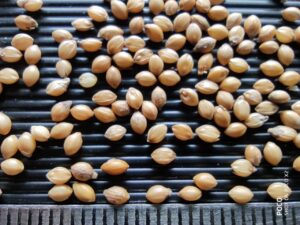
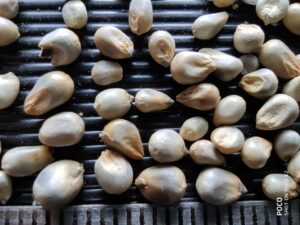
    2. How the millet grains look after dehulling
    3. Best Way to Cook millets
    4. My Favourite Millet Recipes

    Millets and Types of Millets:

    Millets are the small-seeded grains that are gluten-free, diabetic-friendly with full of nutrients, we can say the treasure of nutrients. It was mostly consumed in every household in India but slowly it was disappearing from our plate due to our more preference for wheat and rice. But now, due to lifestyle diseases again we are bringing back to our diet.

    There are 9 types of Millets grown in India and if you like to have a glance at each millet, then this article is for you: Close View of Millets

    How the Millets grains look after Dehulling:

    The right technique to cook millet is to go with measurement. If the measurement of millet grains and water is perfect, we get the right cooked millets. Lets us follow some tips before and after cooking millets.

    Soaking of Millets:

    When both parents are working and there is always a hurry in cooking breakfast or lunch and the same case is ours. So, we decide what to cook the next day before going to bed. We always soak the millets overnight and it becomes easy and fast in cooking. The best thing is that soaking millets for 6-8 hours breaks down the phytic acid and becomes easy for digestion. If you are planning to cook millet, remember to soak it overnight.

    Measurement of Water and Grains:

    We require water as per the Millet Recipe we plan to cook. Let me give you the exact measurement for different recipes.

    • Millet Rice – 1:2 (Millet : Water)
    • Millet Upma with Vegetables – 1:2.5
    • Millet Khichdi with Pulses & Vegetables – 1:3
    • Millet Pongal/Porridge – 1:4

    Cooking Time:

    Generally, we require about 20-25 minutes for cooking Millets. If we are cooking in a pressure cooker, we need to go for 2 whistles on a medium flame, and if in an earthen pot/vessel we need to cook for 12-13 minutes on medium flame by covering with a lid. After 12-13 minutes turn off the gas and give a resting time of 10 minutes. Resting time makes the millets fluffy.

    When we are cooking in a pressure cooker for up to 2 whistles, we need to allow to rest for 10 minutes or up to release pressure.

    My Favourite Millets Recipes:

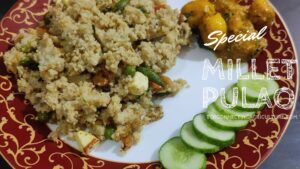
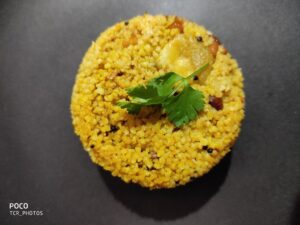
    • Millet Pulao Recipe: Millet Pulao Recipe is delicious, healthy, nutritious, and easy to prepare. Millets are good for health as it is gluten-free, rich in dietary fiber, and also helps in weight loss. In this pulao recipe, I have taken Foxtail Millet. But you can take Kodo Millet, Barnyard Millet, or Little Millet. Read More
    Millet Pulao Recipe
    Millet Pulao Recipe
    • Foxtail Millet Upma Recipe: Foxtail Millet is diabetic and heart-friendly. It is used as an energy source for pregnant and lactating women, and for sick people and children. Foxtail Millet releases glucose steadily without affecting the metabolism of the body so, it has a low glycemic index. The incidence of diabetes is found to be rare among the people consuming foxtail millet. Read More
    Foxtail Millet Upma
    Foxtail Millet Upma Recipe
    • Barnyard Millet Upma Recipe in an Clay/Earthen Pot: Cooking in a Clay/Earthen pot increases the taste, flavour and aroma of the food. When we visit Lord Jagannath Temple at Puri, Odisha we never miss the Prasad ccoked in an earthern pot. So, I thought of sharing the Millet Recipe cooked in an earthen pot and you can give a try.
    • Proso Millet Khichdi: Millet Khichdi is healthy and nutritious. This recipe is good for children as I also give it to my daughter of 5 years old. This recipe is made using ingredients like proso millet with dal and many vegetables. In the case of vegetables, you can add as per your choice.
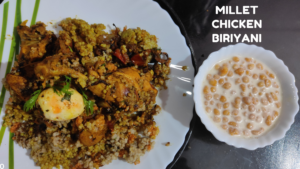
    • Kodo Millet Chicken Biriyani: Biriyani is the royal food introduced in India by the Mughals. It is consumed in most of the family during special occasions. Chicken Biriyani is a delicious savory dish loaded with spicy marinated chicken and flavored with spices. In India, everyone makes biriyani with basmati rice but here I have replaced it with Millets. As you know Millets are more nutritious and healthy for us. This recipe is made with Kodo Millet and named it Special Millet Chicken Biriyani. Really, I mean it as the aroma and flavor of the Indian spices are imbibed into it with the spice bag and the homemade biriyani masala. Read More
    Millet chicken biriyani
    Special Millet Chicken Biriyani

    Hope this blog will help you in cooking millets perfectly and you can start adding millets to your regular diet. I am promoting millets from ”Farm to Plate” so that the goodness of millets reach maximum people. Please do subscribe to my Youtube Channel for more updates on Millet Recipes.


    Author: Tapas Chandra Roy, Certified Farm Advisor on Millets. Promoting Millets from ”Farm to Plate”.

  • Best way to know Millets in Hindi

    Best way to know Millets in Hindi

    Millets in Hindi:

    Millets are the ancient grains that were lost from our plate due to our more preference for Wheat and Rice. Now the demand for millets is increasing in India and also in the global market because it is full of nutrients and can build our immunity.

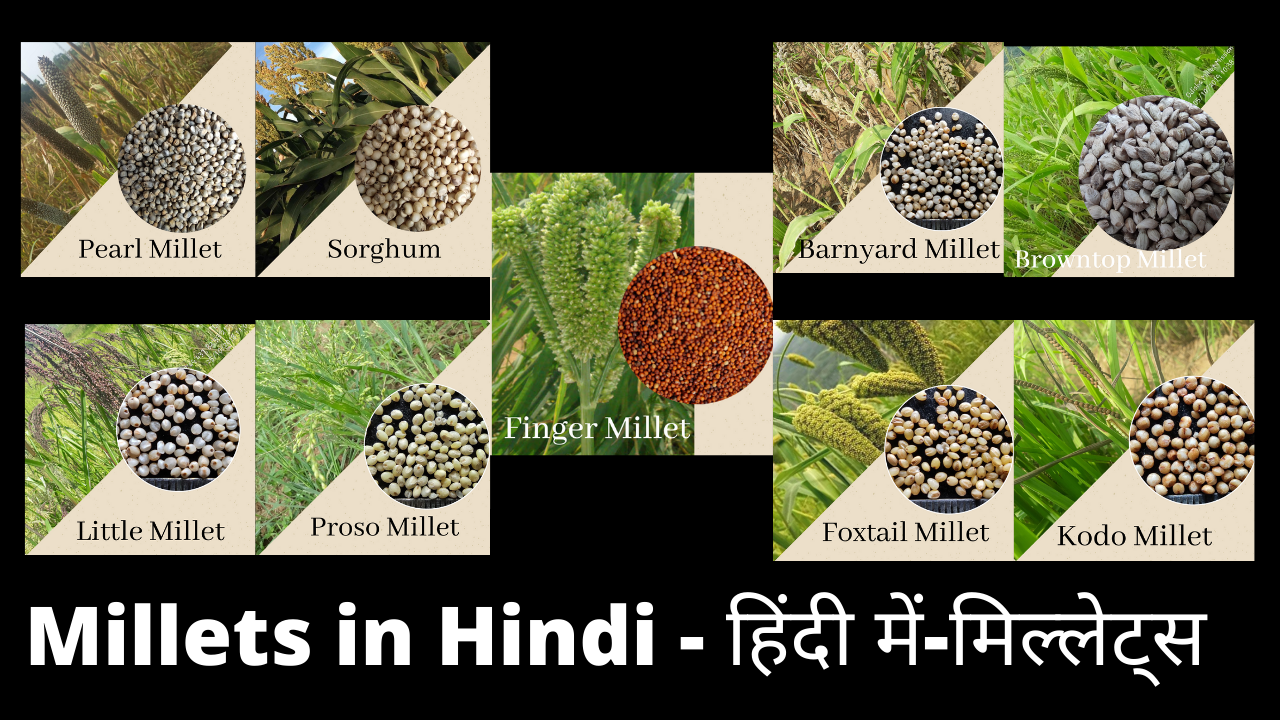
    In this blog, we will look deep into the millets type and what we call millets in the local language. So that we can identify the right millets and can include them in our regular diet.

    Now let see the picture of millets one by one.

    Types of Millets:

    Millets in Hindi

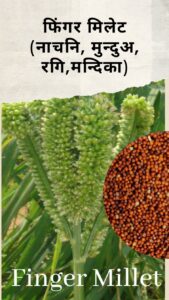
    Finger Millet is called Nachini or Mandua in Hindi. Most popularly known as Ragi. It is rich in Calcium and good for bones. We can also give to our babies after the completion of 6 months of age.

    Millets in Hindi

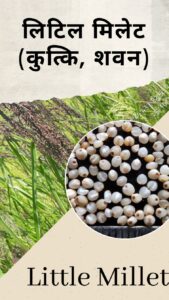
    Little Millet is called Kutki or Sawan in Hindi. It is good for people of all age groups. It prevents us from constipation and also helps in reducing fat from our body.

    Millets in Hindi

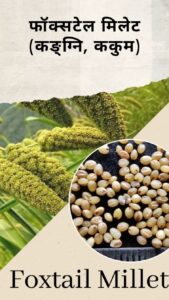
    Foxtail Millet is called Kagni in Hindi.

    Click to Buy Best Millets Online

    Millets in Hindi

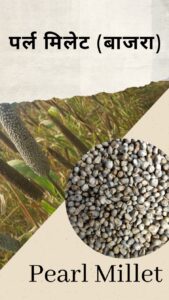
    Pearl Millet is called Bajra in Hindi.

    Millets in Hindi

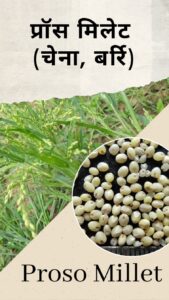
    Proso Millet is called Cheena in Hindi.

    Millet in Hindi

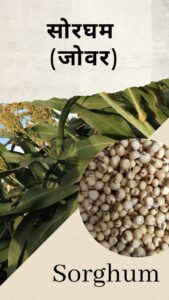
    Sorghum is called Jowar in Hindi.

    Millets in Hindi

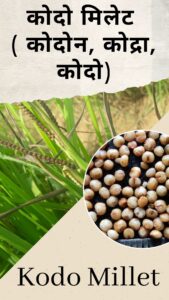
    Kodo Millet is called Kodon, Kodra, or Kodo in Hindi.

    Millets in Hindi

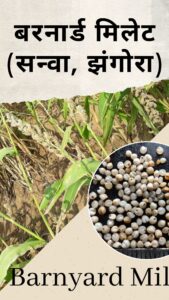
    Barnyard Millet is called Sanwa in Hindi. We generally consume Sanwa during ”Navratri”.

    Click to Buy Best Millets Online

    Millets in Hindi

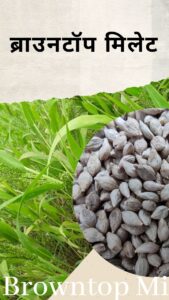
    Browntop Millet’s Hindi name is not yet confirmed. In Telegu, it is called Korale.

    I think by this time you could easily identify the millets. But for more understanding about it, I have provided a video below.

    Related Post: Identification of Millet Grains

    Click to Buy Best Millets Online

    Importance of Millets in Hindi:

    The Government of India has approved 2018 as the National Year of Millets and FAO has supported India’s proposal to celebrate 2013 as the International Year of Millets. Due to the rich content of nutrients in Millets, it is called Nutri-Cereals.

    In the coming days, Millets will be addressing the food, feed, fuel, malnutrition, health, and climate change issues.

    Let us listen to our honorable Prime Minister, India on the importance of Millets in Hindi.

    Related Post: Amazing Millets Health Benefits


  • First Millets Processing Unit under Odisha Millet Mission in 2021

    First Millets Processing Unit under Odisha Millet Mission in 2021

    First Millets Processing Unit under Odisha Millet Mission – Inaugurated in Keonjhar District, Odisha:

    The Special Programme for Promotion of Millets in Tribal Areas of Odisha (Odisha Millet Mission) was launched by the Department of Agriculture and Farmers Empowerment, Government of Odisha in 2017 to revive millets in farms and on plates. It was the first agriculture program with a priority on increasing millet consumption in Odisha.

    Odisha Millet Mission was initiated in Keojhar District from Kharif 2019. This five-year project is funded by the District Mineral Foundation of Keonjhar covering 7 blocks in this district (Banspal, Champua, Joda, Jhumpura, Harichandanpur, Hatadihi, and Sadar)

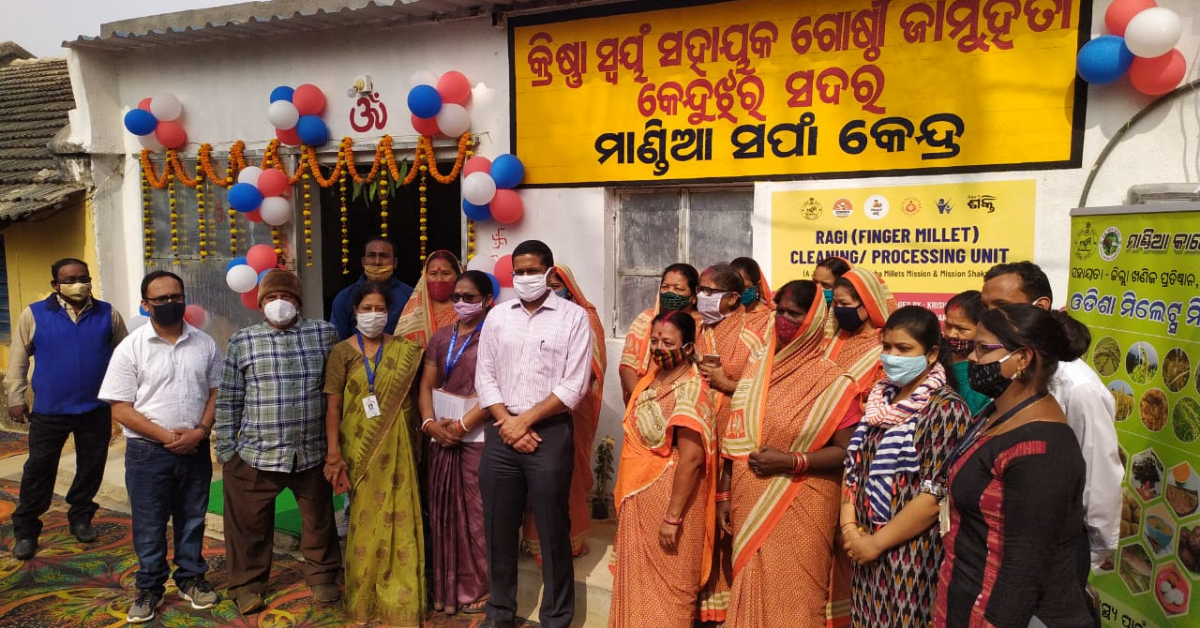
    One of the main objectives was developing millet enterprises and establishing market linkages to rural/urban markets with a focus on women entrepreneurs through FPOs and SHGs. The first Millets Processing Unit Inauguration in Keojhar District of Odisha has shown a way forward. It was inaugurated by the Collector and District Magistrate of Keonjhar.

    Millets Processing Unit:

    The first Millets Processing Unit is now fully functional and ready to supply clean Ragi for different flagship programs of the District Administration. It is a joint venture of Odisha Millet Mission and Mission Shakti.

    Millets Processing Unit
    First Millets Processing Unit Inaugurated under Odisha Millet Mission
    • This Unit is being managed by Krishna Self Help Group of Sadar Block and supported by Mission Shakti.
    • The Unit has the capacity of cleaning about 2 quintals of Millets per hour and can clean over 500 quintals in a month.
    • This Unit has been established to ensure the supply of clean Ragi for the flagship ICDS Ragi Laddu Programme.
    •  The Unit has been provided under the Odisha Millet Mission, supported by the District Mineral Foundation.
    • Technical support is being provided by the Department of Agriculture and Farmers Empowerment and WASSAN.

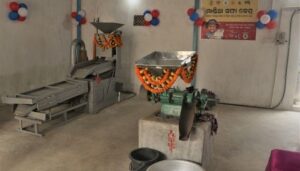
    Machines Installed in the Millets Processing Unit:

    Cleaner-cum-Aspirator with Grader and Integrated Destoner.Make of the model by INDOSAW (Osaw Industrial Products Ltd, Ambala)

    Millets Processing Unit

    • Capacity up to 250kg/hr
    • The heavy structure makes the machine sturdy and more stable. Deck mounted on foundation frame for the stability of the machine.
    • Feeding system provided with a feed hopper, a regulator for the inflow of grains across the entire width of the deck.
    • Fitted with a five-stage cleaning facility.
    • 2 HP motor of reputed make to run on 415V, 50 HZ, 3 Phase AC Supply.
    • A vibratory system with aspiration and size grading system to separate the finer impurities.
    • Vibratory deck with well balanced built-in fan for air volume adjustment for accurate final separation of grains by the counter current.
    • Vacuum type dust collector with variable sludge gate and dust trapper.
    • Separate collection bins for different outputs.
    • One set of 2 removable screens.

    Related Post: Millets Processing Machines

    Millets Processing Machine
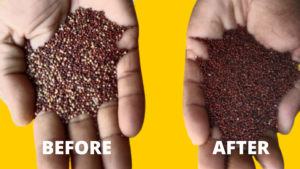
    Before and After Processing of Ragi

    In this Unit, a dehuller is also installed to remove the husk. First of all, the ragi grains are put into the dehuller and next to the Cleaner-cum-Aspirator with Grader and Integrated Destoner. The grader is used for separating inert materials like big stones, sticks, sand, grass, etc. from the grains. These are separated by sieves of different sizes. The top sieve helps in separating the big sticks, stones, and grasses, the middle one separates the good quality grains, and the bottom separates the fine and coarse sand particles.

    The aspirator has a small fan that sends the dust and light particles to the rear end.

    The Destoner helps in removing the small stones and mud balls which are identical to the size of the grains. Destoner works based upon gravitational principles.

    Contribution of Funds:

    The total cost of the Millets Processing Unit is about 5.2 lakhs. 2.2 lakhs is the cost of the Cleaner-cum-Aspirator with Grader and Integrated Destoner and about 3 lakhs is the contribution of Self Help Group towards the construction of Hall, Godown, Electricity and Huller Machine(for removing the outer husk from the Ragi grains).

    Conclusion:

    No doubt, Millets processing is a tedious job and involves lots of drudgeries. But processing machines make the work easier with less effort. Previously, the women farmers were using hand pounding tools to remove the husk and then the bamboo hand winnower to separate the dust, stones, and other impurities. For Ragi, they use to wash with water. The entire process is time-consuming.

    I hope this Millets Processing Unit will help the women in getting a clean and nice end product and ultimately the end consumer will be happy.


    Author: Tapas Chandra Roy, A Certified Farm Advisor on Millets.


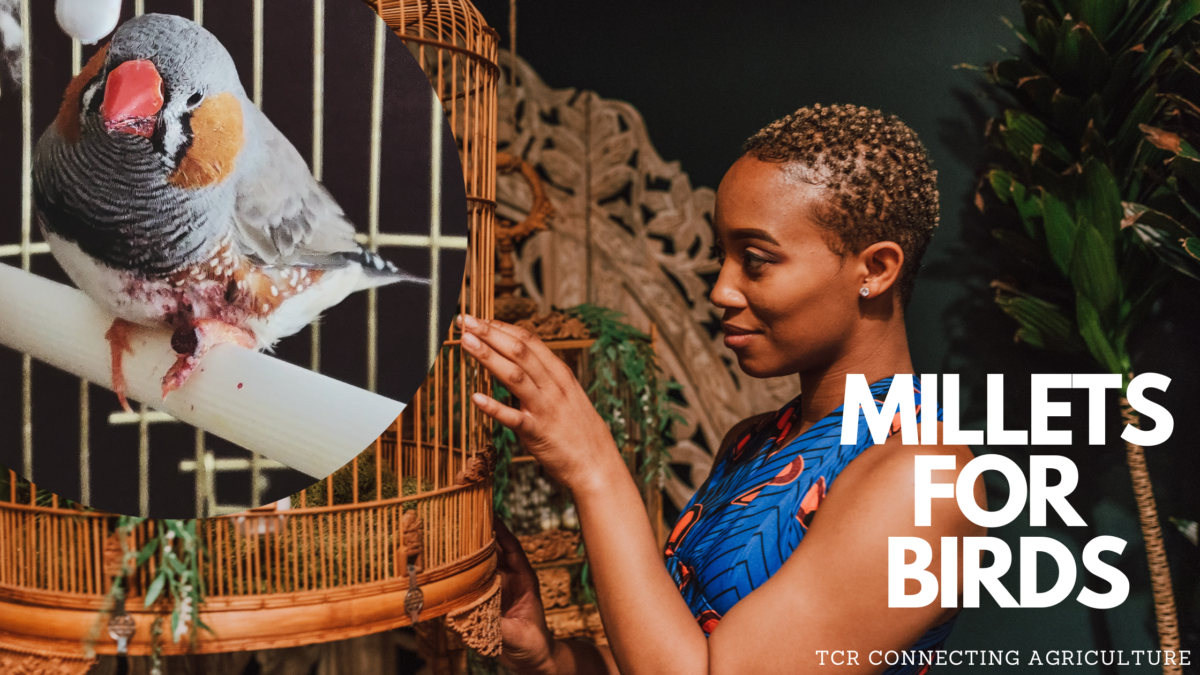
  • Best Millets for Birds in 2021 with 10 Awesome Reasons.

    Best Millets for Birds in 2021 with 10 Awesome Reasons.

    Millets for Birds:

    In the last Kharif season, when I visited a research farm on Millets, could find net covering all over the crop field. When enquired, could know that birds were damaging the crops. No doubt, there were other crops, but the birds loved only Millets.

    Today, I thought of sharing about millets and why millets are good for birds. I am a Certified Farm Advisor on Millets and promoting Millets from Farm to Plate. In this blog, I will be covering the following points:

    1. Millets and types of Millets
    2. Why millets are good for birds?
    3. Spray Millets for Birds
    4. Best Millets for Birds
    5. Precautions to be taken while feeding Millets
    6. Where to buy Millets for Birds?

    Millets and Types of Millets:

    Millets are the small, round to oval shape grains belonging to the Poaceae family. They are ancient grains that were cultivated over 7000 years ago. It was consumed as staple food grains and also used for brewing. In the 18th Century, Millets were cultivated in the United States of America mostly Foxtail Millet. It was used as bird feed in the western countries. As you know, India is the highest producer of Millets and most of the millets were exported from India for bird feeds.

    Now, in India, about nine types of Millets are grown. If you are new to the millets and want to know more, you can definitely watch the video below. It will surely help you in the identification of millet grains.

    Why Millets are good for Birds?

    As we know millets are highly nutritious and rich in nutrients and their demand is increasing in every household in India and abroad. When it comes to bird feed, we need to select the right kind of grains so that the loved birds remain healthy without falling sick. During the COVID-19 pandemic period lot of people fed their birds with cooked rice, puff rice, and other junk feeds which made the birds sick. I came to know that there was a shortage of bird feed in the market.

    Now, let me say you why millets are considered as right feed for the birds:

    1. Millets are highly nutritious. They are rich in Magnesium, Phosphorous, and Calcium.
    2. It is a healthy and palatable treat for the birds.
    3. It is low in fat and high in good carbohydrates.
    4. It contains high fiber so that it is easily digestible.
    5. Millets are weaning food for the small birds.
    6. The texture of millets grains is appealing for birds.
    7. Millets are alkaline which counteracts the acids in birds.
    8. Millets build the immune system in birds.
    9. It acts as a natural stress reliever for birds.
    10. It supplies essential vitamins like B1, B2, B3, and B6.

    Spray Millets for Birds:

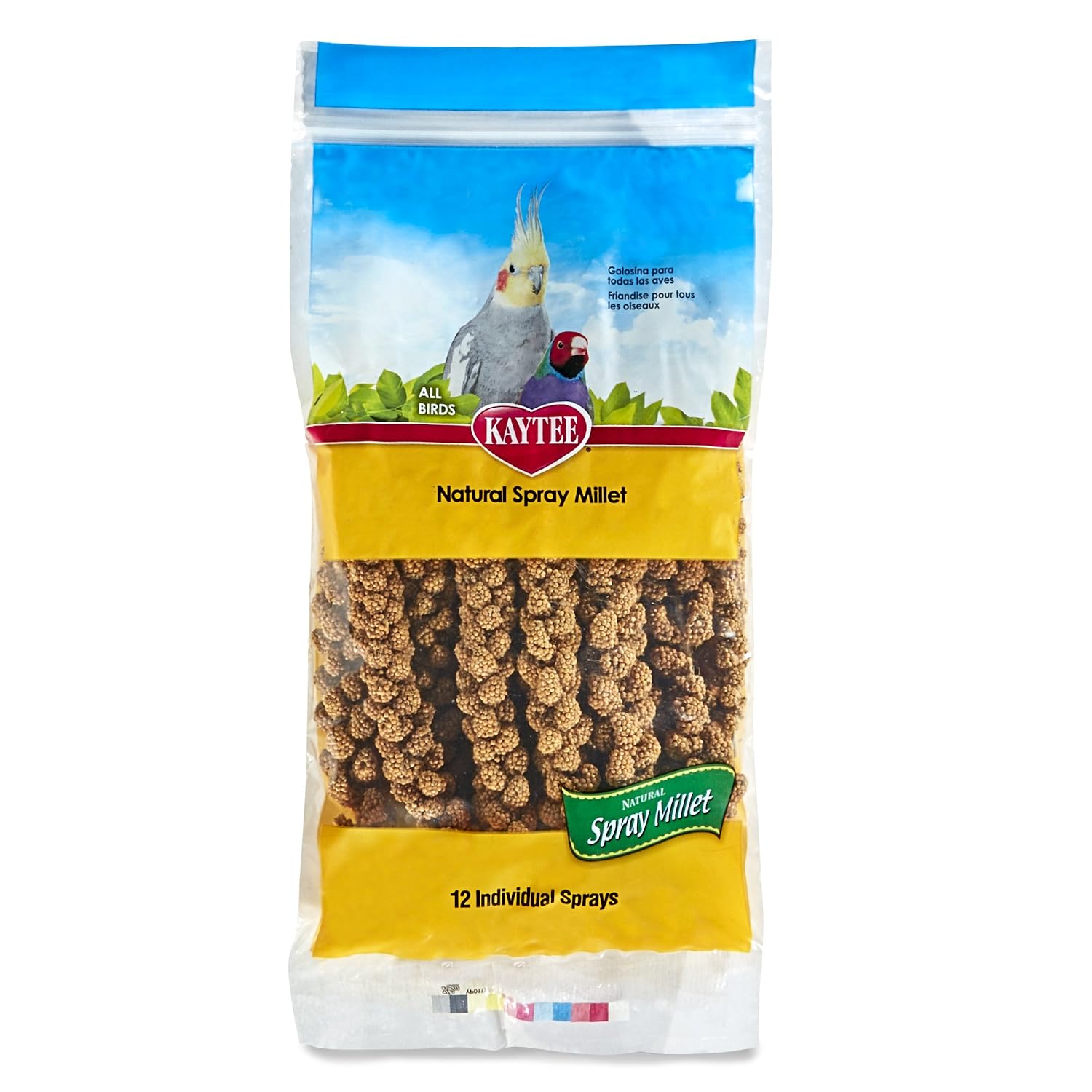
    In Spray Millets the grains are densely attached in a cluster along the long stalk. This pattern can be found in Foxtail Millet (Setaria italica). Millet spray is enjoyed by the birds due to its natural form. It encourages foraging and keeps the birds busy. The Millet spray is tied inside the cage or it can be kept in the Millet Spray Holder to avoid wastage. For small birds in the cage, the millet spray is made into small pieces and attached with Snack Clips.

    Best Millet for Birds:

    When I am asked, which millet is best for birds. I will always recommend 3 millet among the 9 types of millets. They are:

    1. Proso MilletMillets for birdsProso Millet is bigger in size among the small millets. It has a glossy appearance and it is shinner than Foxtail Millet. The grains are spherical to oval in shape. There are longitudinal lines on the grain. It contains 12.5 gm protein, 70.4 gm of carbohydrates, 5.2 gms of fiber, 206 mg of Phosphorous per 100 gm of grains.
    2. Foxtail MilletMillets for birds

    Foxtail Millet grains are yellowish creamy in color. It is smaller than Proso Millet. It contains 12.3 gms of protein, 60.2 gms of carbohydrates, 4 gms of minerals, 6.7 gms of fiber, 290 mg of Phosphorous, 31 mg of Calcium per 100 gms of grains.
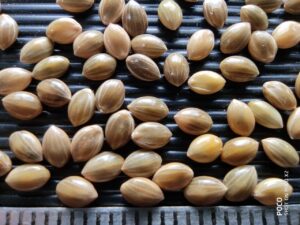
    3.Pearl MilletMillets for birds

    Pearl millet comes under major millet. It is ovoid, globose, and hexagonal in shape. It contains 11.8 gms of protein, 67 gms of Carbohydrates, 2.3 gms of fiber, 240 mg of Phosphorous, 42 mg of Calcium per 100 gms of grains.

    Related Post: Millet Grain Anatomy

    Precautions to be taken while feeding the birds:

    1. Don’t overfill the feed bowl as the grains may fall down.
    2. Put the clean paper on the bottom of the cage so that waste can be minimized.
    3. Don’t overfeed the birds.
    4. As millet grains are small, sometimes they may stick to the bird’s nostrils especially parrots. So, when you hear the change of sound or nasal discharge, give a check to the birds.

    Where to buy Millets for Birds:

    It is always advisable to buy millets in bulk, as it will cheaper. But, if you are not getting in your local market, then you can prefer to buy online.

    1. Foxtail Millet Seeds for Birds
    2. Bird Feed for Budgies

    Please leave your feedback in the comment section below. I will be happy to hear from you.


    Author: Tapas Chandra Roy, A Certified Farm Advisor on Millets, ‘Promoting Millets from Farm to Plate’. In a mission to take the forgotten grains- Millets to Millions. To remain updated on my blogs on millets you can join my Telegram Channel – Millet Advisor.