Category: Millets

  • MILLETS Crop of the Future

    MILLETS Crop of the Future

     Millets Crop of the Future:
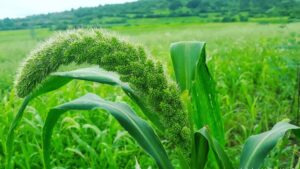
    Millets crop of the future

    Millets are ancient Super grains the reservoirs of nutrition for better health. Millets
    (sorghum, pearl millet, and small millets) are important food and fodder crops in semi-arid regions and are predominantly gaining more importance in the world and in India.

    The government of India has approved 2018 as the National Year of Millets to boost production of the Nutri-cereals. Observation of Year of Millets will help in the promotion of production and consumption of millets in rural and urban areas. Millets are the only crop that will address the important issues in the future:
    1. Food, Feed, and Fuel.
    2. Malnutrition
    3. Health
    4. Climate Change

    Definitely, we can say, Millets Crop of the Future.

    Why Millets???

    1. Millets are rich in Nutrients:

    Now millets are called the Nutri-cereals. Millets are nutritionally superior to wheat and rice owing to their higher levels of protein in Foxtail and Proso millet, with more balanced amino acid profile, crude fiber and high minerals such as Calcium in Finger Millet, Iron, and Phosphorous in Pearl Millet, Magnesium in Sorghum, Zinc in Little Millet.


    Sorghum and Pearl Millet is an excellent form of fodder that contains beneficial minerals, such as iron, magnesium, phosphorous, potassium, and calcium. The lethal effect of HCN in Sorghum fodder is reduced to a safe level after 50% of flowering. Brown Mid-rib variety of sorghum is low in lignin, for which it is easily digestible which in turn enhances the milk yield of cattle.
    The Sweet Sorghum is a promising millet for providing ethanol for the ethanol blending project(EBP) undertaken by the Government of India.

    Related Post: Types of Millets and their Health Benefits

    2.Health Benefits:

    Due to modern lifestyles, health-related problems like obesity, diabetes, hypertension, and cardiovascular disease running rampant, millets have returned as a wonderful gift to live a healthy life without consuming loads of anti-diabetic and anti-hypertension medicines that are not only very expensive but also have serious side-effects in the long run.

    The high level of calcium addresses osteoporosis and obesity. The high levels of tryptophan in millet produce serotonin, which is calming to our moods. Magnesium in millet can help reduce the effects of migraines and heart attacks. Niacin (vitamin B3) in millet can help lower cholesterol.

    Millet consumption decreases triglycerides and C-reactive protein, thereby preventing cardiovascular disease. All millet varieties show high antioxidant activity. Millet is gluten-free and non-allergenic and solution to celiac disease.

    The incidence of obesity is increasing at a tremendous rate in India and Millets can help in weight loss. The specific content in millet like high dietary fiber, policosanols, and tryptophan helps in weight loss.

    Related Post: Best Millets for Weight Loss

    3. Income and Livelihood Source:

    Millets are important staple cereal crops for millions of smallholder dryland farmers especially the tribal belts of India. They offer income and livelihood in difficult times. MSP of Millets has been increased to manifold this year and surely this will reduce the incidence of distress sale and boost the millet cultivation. In Kharif-2019, Odisha has procured about 93,000 quintals from small and marginal farmers at a rate of Rs.3150 per quintal.
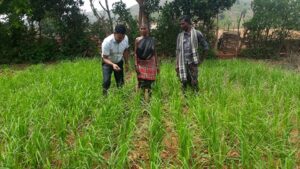
    Millets crop of the future
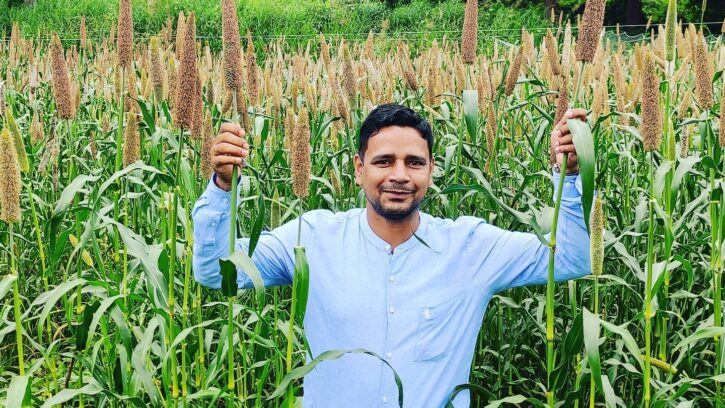
    Farmer’s Field- Growing Organic Finger Millet

    4. Resilient to Climate Change:

    These crops are adapted to a wide range of temperatures, moisture-regimes, and input conditions. Millets are photo-insensitive and resilient to climate change. They are hardy, resilient crops that have low carbon and water footprint. They can withstand high temperatures and grow on poor soils with little or no external inputs. In order to produce 1kg of Rice, we require about 5000 liters of water, whereas 300-400 mm of rainfall is sufficient for millets.

    So, it is the best time to promote millets and that should start from every household of India. Odisha has taken a step ‘‘Odisha Millet Mission’’ and let us join hands together.

    Author: Tapas Chandra Roy, Certified Farm Advisor on Millets
  • Miracle Barnyard Millet

    Miracle Barnyard Millet

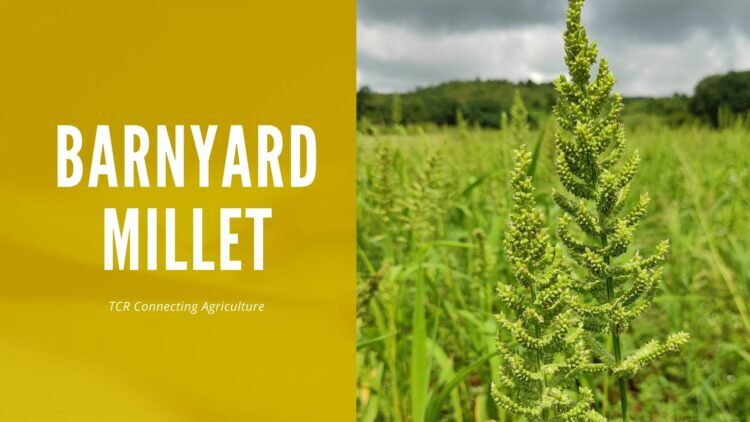
    Barnyard Millet:

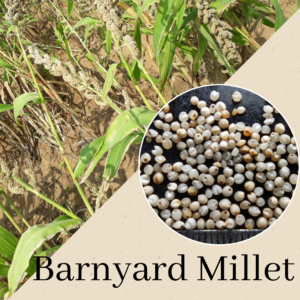
    Barnyard Millet
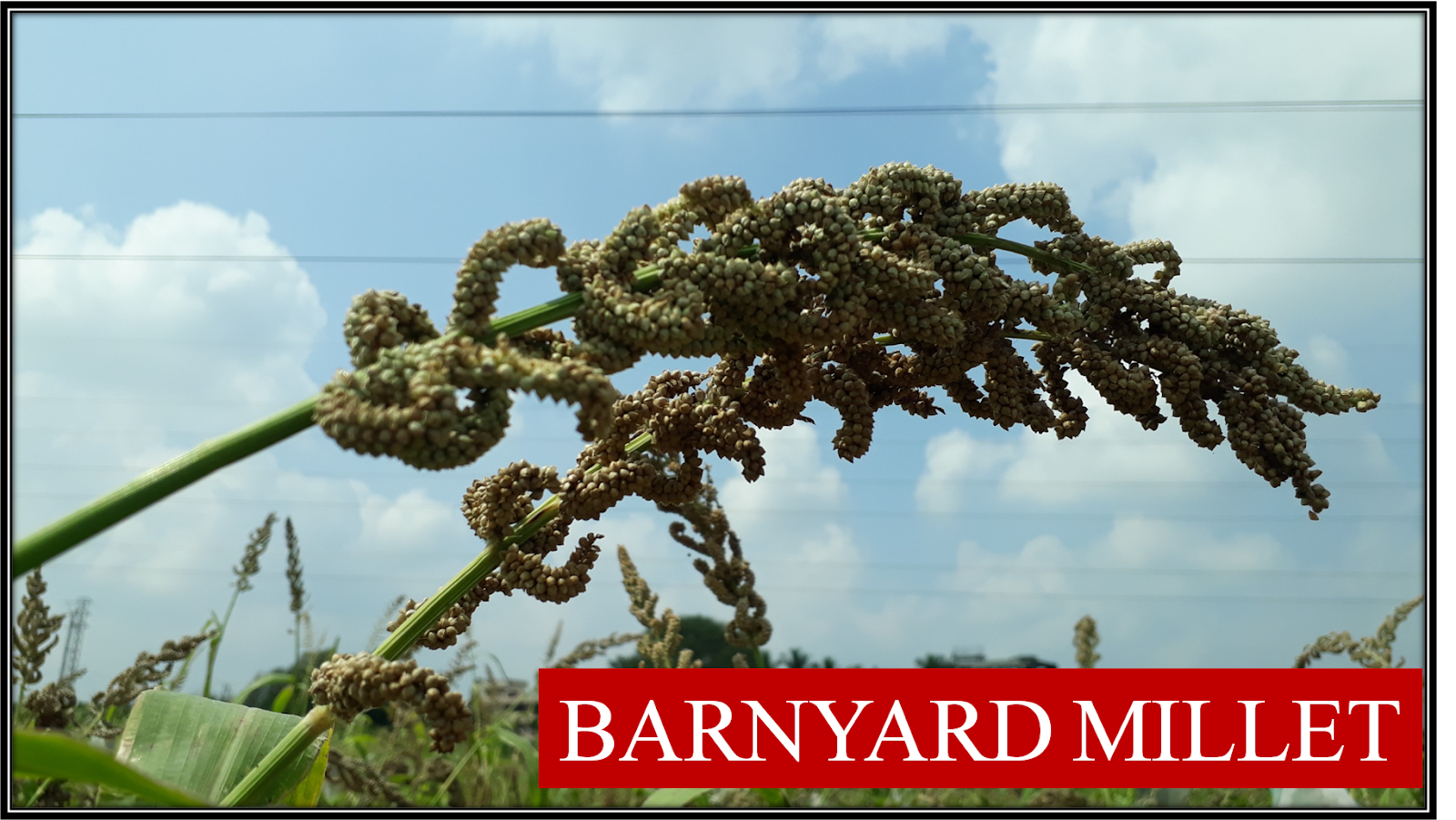
    Barnyard millet is a drought-tolerant crop and hence is grown as a rainfed crop. It can be grown successfully under partial waterlogged conditions. It is grown from sea level to an altitude of 2000 metres on the Himalayan slopes. The warm and moderately humid climate is good for raising barnyard millet crop. It is a hardy crop and is able to withstand adverse conditions of weather better than other cereals.
     
    Soil: Barnyard millet is generally cultivated in soils of marginal fertility. It can be grown in partially waterlogged soils such as low lands on the banks of rivers etc. But it thrives best on sandy loam to loam soil having a sufficient amount of organic matter. Gravely and stony soils with poor fertility are not suitable for raising barnyard millet crop.
    On the field where the trail was done, the soil was little poor with less water holding capacity.
     
    Field Preparation: Since it is cultivated in very light and marginal soils, the land is given only limited preparatory cultivation. One ploughing was done with a tractor and the other with local plough.
     

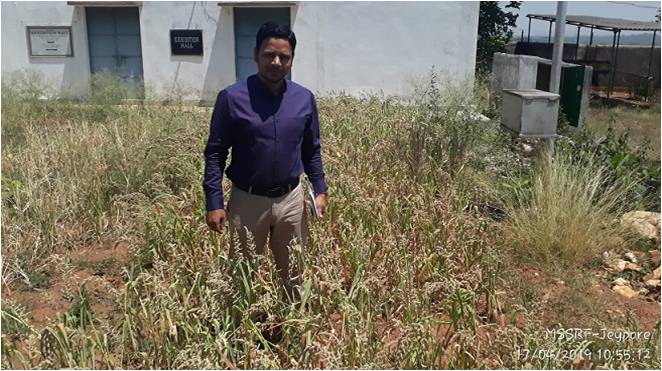
    Seed and Sowing: Barnyard millet can be sown in the first fortnight of July with the onset of monsoon rains. On 21.07.2019, the seed was sown in line behind the plough in furrows 3-4 centimetre deep at the rate of 5 kg per acre. Transplanting can be done in Barnyard Millet. Last year visited MSSRF, Jeypore and seen the barnyard crop. It was performing well.


    The variety was DHBM 93-3 and the pedigree VL-13XIEC-566 developed by ARS, Hanumanmatti, UAS, Dharwad. It was released in the year 2016. The duration of the variety is 90-95 days. The average yield is about 22-24 quintal/hectare. It has national adaptation. The special feature of the variety is this variety is that it is responsive to fertilizer application.
     
     Manures and Fertilisers: Farmyard manure or compost at the rate of 2 tonnes per acre was applied. It was supplemented with 16 kg nitrogen, 12 kg P2O5 and 20 kg K2O per acre. All the fertilizer was added in the soil at the time of sowing.
    If irrigation facilities are available, half of the nitrogen should be top-dressed in standing crop after 25-30 days of sowing.
     
    Water Management: As the crop was grown in Kharif-2119, no additional irrigation was given. Generally, barnyard millet does not require any irrigation. However, if dry spell prevails for a long period, then one irrigation must be given at the time of panicle initiation stage. It is always better if excess water of heavy rains is drained out of the field.

    Weed Control: The field should be kept weed-free up to 25-30 days after sowing. Two weedings are sufficient to control the weeds in the barnyard millet field.

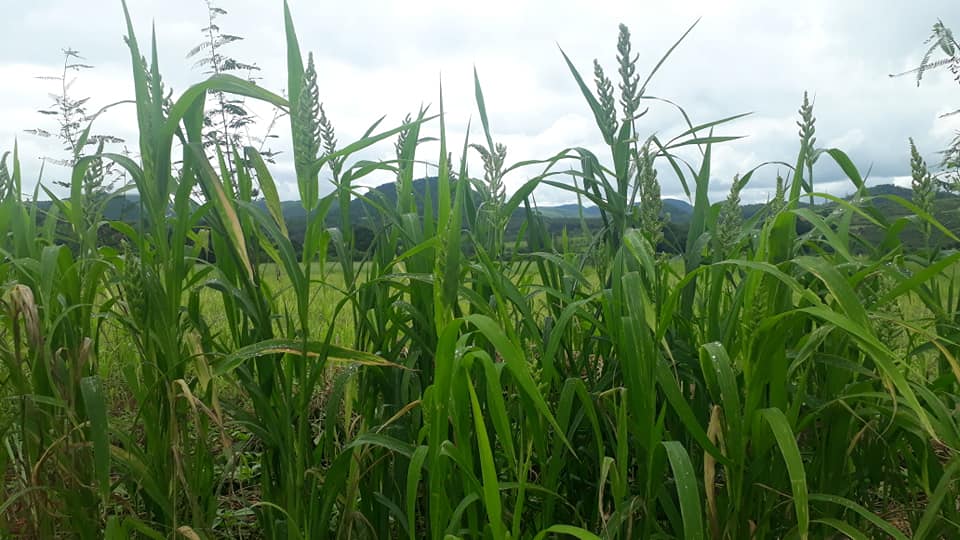
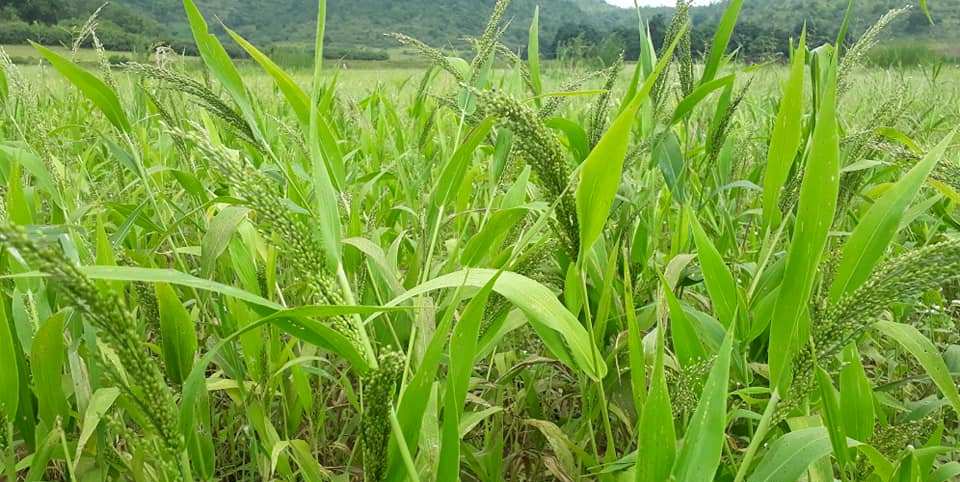
    (Barnyard Variety: VMBC 331.  The crop after 65 days in Koraput.)

    VIDEO:


    Related Post: Browntop Millet
  • Browntop Millet

    BROWNTOP MILLET:

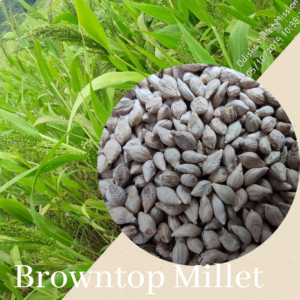
    Browntop millet (Brachiaria ramosa (L.) Stapf; Panicum ramosum L.) is an introduced annual grass that originated in South-East Asia. It is grown in Africa, Arabia, China and Australia. In the US, it is mainly grown in the South-East for hay, pasture and game bird feed. The browntop millet, called korale in Kannada, is specially grown in rainfed tracts of Tumakuru, Chitradurga and Chikkaballapura districts of Karnataka state. The crop is popular in this region in terms of cultivation and consumption. This millet seed is grown in a variety of soils and climates. Like other millets, it is a hardy crop and well suited for dry land.

    Browntop millet is drought hardy and heat tolerant, but can also be planted in low areas that get flooded. The shadow tolerant nature of this millet makes it distinct from other crops. The crop survives under arid conditions and has the potential to spread widely because of its rich nutritional value as well as its ability to adapt to climate change.


    Browntop millet is an annual warm-season species that grows 1 to 3 ft tall. The smooth stems have pubescent nodes and may stand erect or ascend from a decumbent base. The leaves are 2.2 to 18cm long and 6-18mm wide; both surfaces are smooth. The inflorescence is indeterminate, open, spreading with simple axis and stalked flowers. It has 3-15 inflorescences and white flowers. Seeds are ellipsoid and tan in colour; they mature in approximately 60 days.

                                                     The field was deeply ploughed with a mould bould plough for moisture conservation in the month of June. Dhanica seeds were broadcasted for green manuring. After one month the dhanicha crop was incorporated into the soil to increase the fertility and status of soil and also 2 MT of FYM was broadcasted.
                                                       On 14.07.2019, the browntop millet seeds were treated with Carbendazim@ 2gm/kg. 5 kg seeds were taken for 1 acre of land. 20:20:20 NPK was applied as basal dose on the day of sowing seeds. At the time of sowing, there was little bit of moisture in the soil. After 7 days the germination of seeds had occurred. After 30 days weeding was done manually.
    Browntop Millet
    Browntop millet is remarkable for its early maturing ability. The crop is harvested in 90 days. Because of its very short maturity, it can be planted as late as August and still offers ample supply of grains. It survives even if the monsoon is delayed. It requires a little bit of moisture during sowing and one or two rains later, for the crop to grow and mature. Even with a broadcasting method, the crop yields about 7 to 8 quintal grains per acre and four tractor loads of good quality fodder which cattle relish.
     
    Browntop millet is not only nutritious but also very delicious. The millet is gluten-free and rich in essential nutrients. It is a rich source of natural fibre when compared to other grains. Korale contains about 12.5% fibre due to which it serves as medicine for dealing with lifestyle diseases. Lower incidence of cardiovascular diseases, duodenal ulcer and hyperglycemia (diabetes) are reported among those who regularly consume millets.
    It suppresses root-knot nematode in the soil. The sharp leaf structure of the plant obstructs the intrusion of rats into the fields. Hence, farmers grow this crop also to control rodents in coconut and areca nut groves.
    From this trial, it is understood that Browntop Millet can be grown in Koraput and farmers can get a good price in the market.
  • Millets grains based on Shape, Size and Colour

    Introduction:
    Millets are small-seeded grains with varied shape, size and colour. To differentiate them is a little difficult. At the beginning of my days, I was confused but when went deep into it, it became easy. So thought of sharing with you with a video.

    Generally, Millets are categorised into two major groups. One is the major millet( sorghum and pearl millet) and rest are minor millets. Kodo and barnyard millet contains multiple seed coat.
    So, looking deep into its shape, colour and size, it will be easy for Identification of millet grains.

    Details:

    1. Barnyard Millet- Shape-Concave, oval Colour- Straw white, Grey, Little Grey to Dull white.
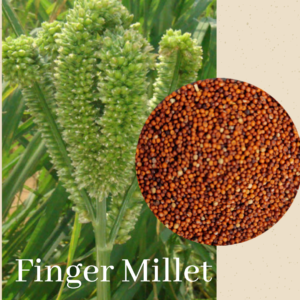
    2. Ragi – Finger Millet grains are 1-2 mm in diameter, with the colour varying from brown to dark brown in colour.
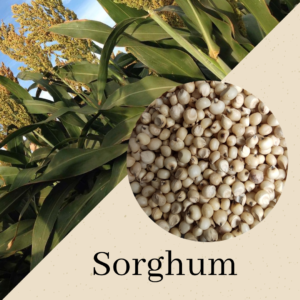
    3. Sorghum- The seeds vary widely among different types of colour, shape and size. The grains of sorghum is classed according to pericarp colour(white, yellow, or red)
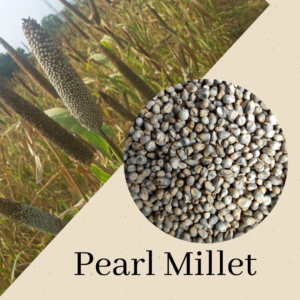
    4. Pearl Millet: With ovoid grains of 3-4 mm length which can be a nearly white, pale yellow, brown, grey, slate blue or purple colour. The 100 seed weight can be from 2.5 to 14 gram with mean to 8 gm.
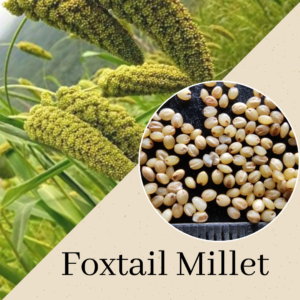
    5. Foxtail Millet(Italian Millet, German Millet, Hungarian Millet) – Grains are about 2mm in length and the glumes can be red, black, white, yellow in colour.
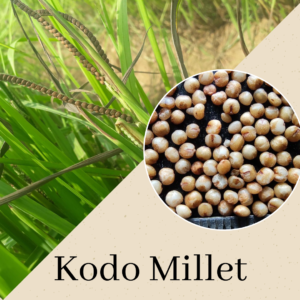
    6. Kodo Millet: Grain shape is elliptical to oval shape and its colour vary from blackish brown to dark brown in colour.
    7. Browntop Millet: Seeds are ellipsoid to tan in colour.
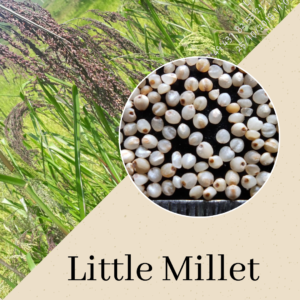
    8. Little Millet: Grain shape is elliptical to oval shape and its colour vary from grey to straw white.
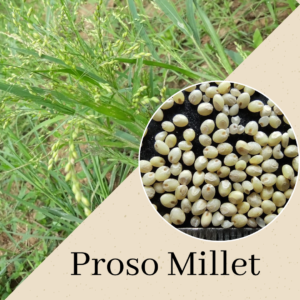
    9. Proso Millet: Grains varies in colour from white cream golden yellow, brown & straw white in colour. The grains are spherical to oval in shape, about 3mm long & 2mm diameter. The 100 kernel weight about 7.1g.


  • Types of Millets grown in India

    Types of Millets grown in India

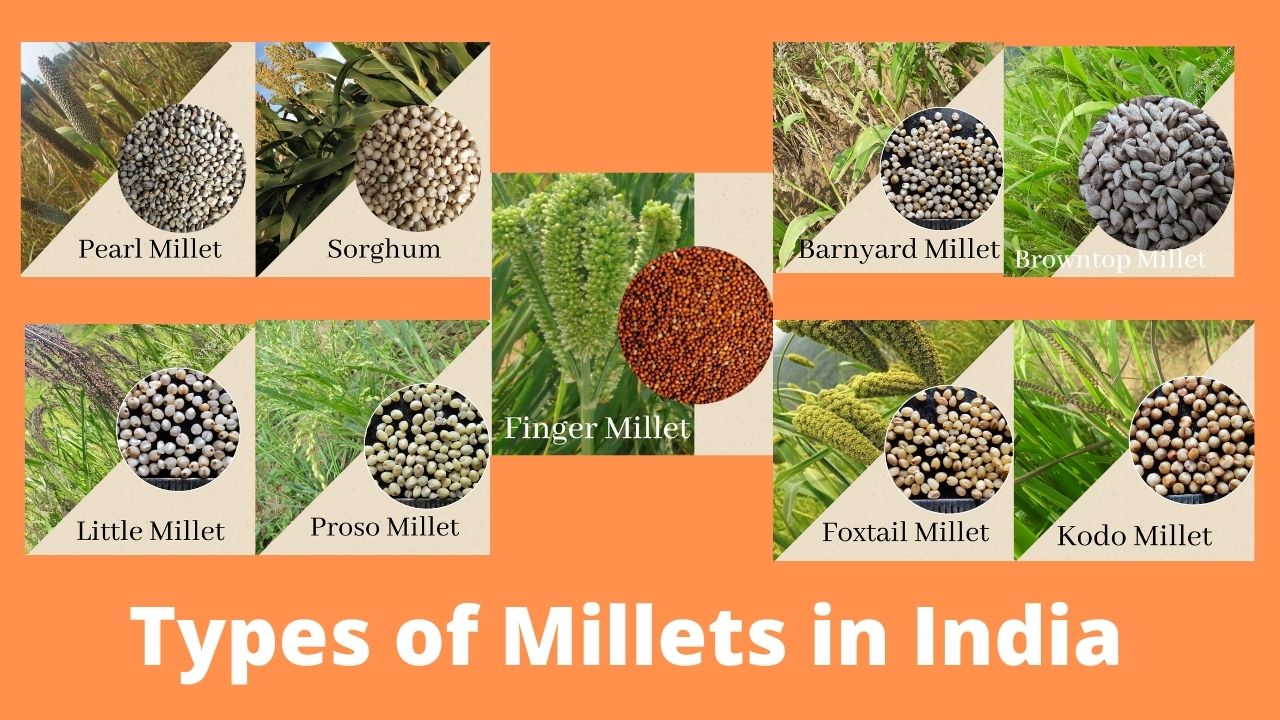
    Millets: Small seeded cereal grasses: coarse grains: Nutri cereals/ valuable food grains. First crops to be domesticated Suited for harsh environment Crops of Climate change: Next-generation Crops Nutritious food grains: Fiber, Protein, Iron, Calcium, Magnesium, Zinc, Vitamin B Low glycemic index Contain Flavonoids: anti-oxidants, anti-inflammatory, anti-allergic, anti-carcinogenic & gastro-protective.

    9 Types of Millets grown in India:

    1. Pearl Millet (Bajra) :

    Pearl Millet
    Pearl Millet Plant and Grains

    2. Finger Millet(Ragi) :

    Finger Millet
    Finger Millet Panicle and Grains

    3. Foxtail Millet(Italian Millet) :

    Foxtail Millet
    Foxtail Millet Panicle and Dehulled Grains

    4. Sorghum (Jowar) :

    Sorghum
    Sorghum Plant and Grains

    5. Little Millet(Suan/Samai) :

    Little Millet
    Little Millet Plant and its Dehulled Grains

    6. Proso Millet(Panivaragu) :

    Proso Millet
    Proso Millet Plant and its dehulled Grains

    7. Kodo Millet(Varagu) :

    Kodo Millet
    Kodo Millet and its Dehulled Grains

    8. Barnyard Millet(Sanwa):

    Barnyard Millet
    Barnyard Millet Panicles and its Grains

    9. Browntop Millet (Korale):

    Browntop Millet
    Browntop Millet Plant and its Grains

    Related Post: Close-up of Millet Grains


    Author: Tapas Chandra Roy, A Certified Farm Advisor on Millets, ‘Promoting Millets from Farm to Plate’. In a mission to take the forgotten grains- Millets to Millions. To remain updated on my blogs on millets you can join my Telegram Channel – Millet Advisor.