Every parent is worried about giving proper food to their babies as they turn 6 months old as they know the right kind of food is essential for the overall development of their baby. Millets are the healthiest and nutritious cereals for babies as compared to other cereals available in the market. With millets, we can make an end number of recipes for babies due to their versatility. You can make a lot of recipes like porridge, khichdi, upma, and many more.
Millets are considered superfoods. They are rich in many functional compounds like dietary fiber, slowly digestible carbohydrates, high protein content, B-complex vitamins, calcium, iron, magnesium, manganese, copper, and phytochemicals. They are having non-acid-forming properties, easy to digest, and are non-allergic.
This blog will focus on the nutrient contents of millets and how it is helpful for the babies and how and when we can start feeding our babies with these grains and from where you can buy it for babies.
I remember, when our daughter, Dona turned six months old was searching for which best food that we can give to our baby. After doing a deep search on the internet could figure out that Millets could be the right food and started making recipes out of it. She started taking this food and still continuing as she loves and enjoys millet food. Today when I ask her, what made her strong? The spontaneous answer, the “Millets”. When babies are given millets as their starting food, they gradually develop a taste for it. Are you still thinking “Are Millets good for Babies”? Surely, will convince, as you go through this blog.
Different Types of Millets:
The Nutritional Value:
Millets Nutritional Value Chart
Health Benefits of Millets for Babies:
Strong Baby holding the stool
1. Rich in Calcium: Calcium helps in developing strong bones in babies. As we know that Ragi contains 344 mg per 100 gm dry grain. Sprouting ragi improves the bioavailability of nutrients and makes them easier to digest.
2. Rich in Fiber: They are rich in fiber content and it helps in easy digestion in babies.
(* Barnyard Millet is rich in fiber)
3. Rich in Protein: Protein is an important building block of muscles, cartilage, skin, blood, and bones. It also helps to build and repair tissues.
(*Foxtail and Proso Millet are rich in protein)
4. Rich in Iron: Iron helps in the proper function of hemoglobin. The deficiency of iron in the body leads to anemia. They are rich in iron and thus prevent your babies from becoming anemic.
(*Bajra and Barnyard, rich in iron)
5. Rich in Phosphorous: Phosphorous helps in breaking down and metabolizing fats. It helps in the growth, maintenance, and repair of cells and tissues in babies.
6. Rich in Complex Carbohydrates: They contain about 65% carbohydrates, a high proportion of which is in the form of non-starchy polysaccharides and dietary fiber. This keeps your baby full for longer for the body to break these carbs and thus helps in weight management.
When your baby turns six months old, he/she can take a millet diet. According to a study conducted by the National Institute of Nutrition, Hyderabad six month baby can digest thick, soft food. Thick food gives your baby more energy and nourishes him/her more than thin food.
They can be introduced to babies with milk and slowly can make recipes with millet rice and dal in 2:1 proportion with ghee/oil. Gradually can add vegetables with millets.
In South India, in most of the houses, they start with ragi porridge for their babies. This food keeps your baby full for a longer time.
Where to Buy Millets for Babies:
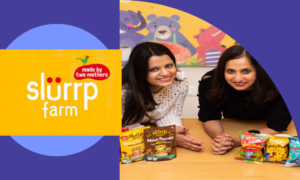
Two mothers of India came forward with a yummy and healthy food for babies in the brand of Slurrp Farm.
Slurrp Farm
Bringing their experiences and ideas and imbibing them into millet products for babies. They have bought a wide range of baby products. To start with the baby food, I must recommend the Organic Sprouted Ragi Powder. As I mentioned above Ragi is a good source of Calcium. It contains 3 times more Calcium than milk. Explore more millets for babies as they grow old. I am sure your baby will be healthy and strong forever.
Author: Tapas Chandra Roy, Certified Farm Advisor on Millets
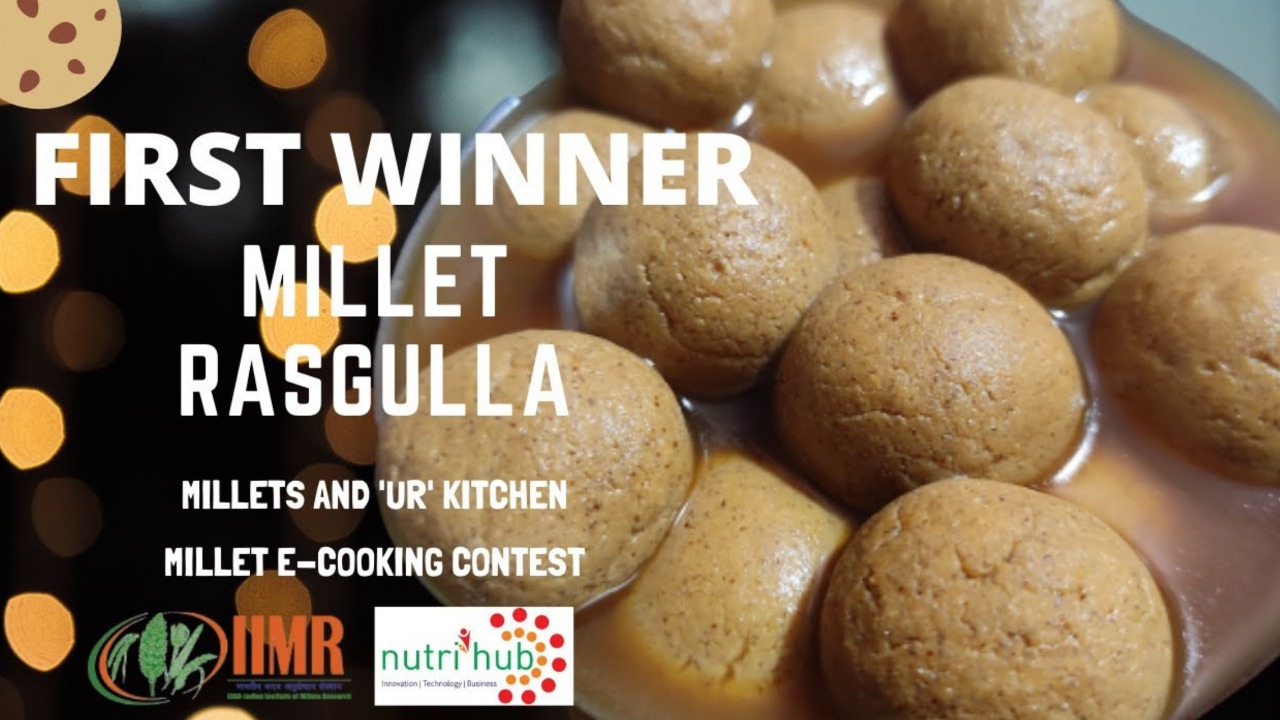
Rasgulla is a juicy milk-based dessert that is famous all over India for its sweetness, spongy, and softness. But making with millet enhances its nutritional value and using jaggery in place of sugar boosts its healthiness. Ragi has multiple health benefits.
I made this Millet Rasgulla on my birthday so that I can distribute it to my friends and spread happiness and promote millet. Now, let us see what are ingredients required for making rasgulla.
Add 2 tsp of Vinegar and stir until the milk curdles and if does not, add one more and stir.
When the milk curdled completely, switch off the stove and rest for 2 minutes.
Put 250 ml of cold water into it.
Place a strainer over a bowl and drain the curdled milk.
Rinse the chenna under running water to remove the acidic flavor.
Put it on a cloth and squeeze it well.
Hang it for 2 hours and ensure chenna free from whey.
Making Jaggery Syrup:
Take about 7-8 cups of water in a wide pot and boil it.
Add 1 cup jaggery powder.
Add the crushed cardamom powder.
Stir to dissolve the jaggery powder.
How to make the Millet Rasgulla:
Take the Chenna on a flat plate and add 2 tbsp of Ragi flour.
Knead it properly for about 5 minutes.
When the mixture turns uniformly smooth make it into small balls by rolling with your hands.
Bring the jaggery syrup to boil and add the balls one by one into the syrup.
Cover the pot with a lid and boil it constantly for about 20-25 minutes.
After 10 minutes open the lid and turn up the balls gently.
Again cover it for another 10 minutes.
After 20-25 minutes the size of the balls will be double in size.
Transfer it to a bowl with the syrup and allow it to rest and cool down completely.
Millet Rasgullas is ready after 1 hour.
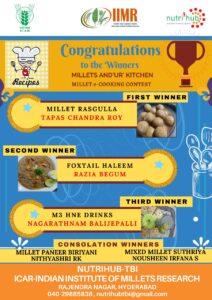
Millet Rasgulla – The First Winner:
It was a great and wonderful day when I could see my name as the First Winner in the Millets e-Cooking Contest organized by ICAR- Indian Institute of Millet Research(IIMR), Hyderabad & Nutrihub TBI. Really, I never expected to win the contest. The only thing that I gave is the dedication to making the recipe and the full effort in doing the entire video. My wife and daughter continuously supported me to make this Millet Rasgulla.
I am very much thankful to IIMR, Hyderabad, Nutrihub, and Judges for selecting this recipe in the first position.
Millet Rasgulla – First Winner
Conclusion: Hope you liked the recipe and do give it a try at home, definitely you will enjoy making and taking this millet rasgulla. Please do let me know how it turned out with you.
Author: Tapas Chandra Roy, A Certified Farm Advisor on Millets, promoting millets from ”Farm to Plate’. In a mission to take the forgotten grains- Millets to Millions. To remain updated on my blogs on millets you can join my Telegram Channel –Millet Advisor.
Millet Laddu is made of Ragi and other ingredients, which made the laddu rich in protein. Protein performs many important functions in our body. As we know, Ragi is rich in Calcium (344 mg in 100 gm), iron, zinc, dietary fiber (12-20%), and protein(8%).
Ingredients for ragi laddu:
1 cups ragi flour – sprouted or plain
1 cup roasted peanuts (Bought from Reliance Store,-24 mantra groundnut)
1/2 cup golden raisins
1/2 cup black raisins
5 green cardamoms (Grind to powder)
10-12 black pepper (Grind to powder)
1 cup soft dates(remove the seeds & make to small pieces) or you can get packed dates without seed.
Pinch of salt
·Preparation for ragi laddu:
Roast the ragi flour on low heat till you get a nice aroma of ragi. Set this aside to cool.
Put all the ingredients- roasted peanuts, dates, raisins and add the cardamom and black pepper powder in a mixer and salt
Give a 4 to 5 pulse of the mixer. Don’t worry if some small pieces of the ingredients are left out
Add all the ragi flour in the mixer and give 2 pulses.
Transfer all these to a bowl and make a good dough with hands.
Proso Millet contains a good amount of protein, carbohydrates, fats, dietary fiber, minerals, magnesium, micro and macronutrients that have antioxidant properties and provide enough zinc, vitamin B6, and iron for daily functioning. It is easily digested because they are non-acid forming. They are rich in fiber which helps in making the stomach full for a long period of time and prevents overeating.
Proso Millet Upma is a good option for a healthy breakfast. It is easy to make in a short span of time. It can be served with chutney or sambar.
Ingredients:
1 cup proso millet
1 tbsp oil or ghee
1/2 tsp cumin seeds
1 tsp urad dal
1 tsp channa dal
2 tbsp peanuts
1 spring curry leaves
Pinch of asafoetida or hing
1 small onion finely chopped
1 tomato finely cut
Coriander leaves chopped
Mixed Vegetables: As per your choice. In this, I have taken Snake beans, Carrot, Potato, and spine gourd.
Salt to taste
Snake beans, carrot, potato & spine gourd
Method:
Heat oil/ghee on a pan.
Next add cumin seed, urad dal, channa dal, peanuts.
Fry till the deals and peanuts turn golden and aromatic.
Put the thing and curry leaves.
Saute for a minute and add the onion and tomato.
Next, add the vegetables and salt.
Stir everything and cover it with a lid for 5-7 minutes.
After that, add the boiled proso millet. (You can do it in a pressure cooker after adding 2 cups of water and wait for 3 whistles. It is always better to soak the millet for at least 3 hrs.
Stir everything properly once to check any lumps. Break if any.
Once again, cover it with lid for 2 minutes on low flame.
Open the lid and stir once. Add ghee if you like. Give a quick stir.
Switch off the stove and cover again. Allow up to rest for 5 minutes.
Serve the proso millet upma with chutney/sambar/pickle/curd.
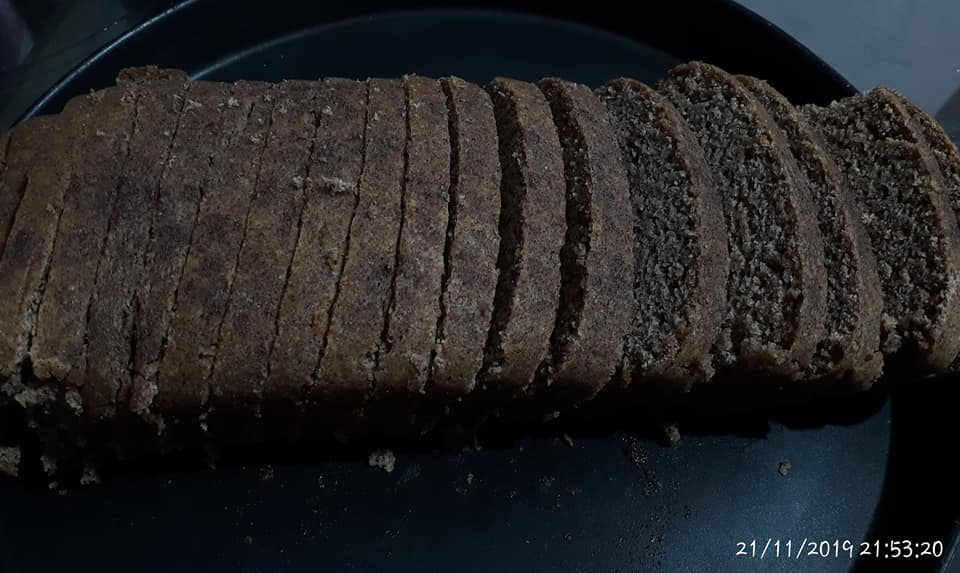
Nowadays the bread and butter for breakfast are common in every household. We generally get bread from the market which is full of maida. Maida is not good for your health. Today thought of sharing with you a recipe that is healthy and nutritious. So, here we can start the homemade Ragi bread. Ingredients:
1. 200 gm Wheat flour 2. 100 gm Ragi flour 3. 200 ml milk. 4. Yeast – 10 gm. 5. 20 gm butter/ 20 ml cooking oil. 6. Sugar-10 gm( to activate the yeast) 7. 1 teaspoon of salt 8. 20 ml of warm water
Procedure to make Ragi Bread: 1. First of all, in a small bowl, put the sugar and warm water and mix it properly till the sugar dissolve and then put the yeast and keep aside for 15 minutes.
2. Take another big bowl put the whole wheat flour and ragi flour add the activated yeast and give a quick mix and then add the butter/cooking oil, salt and slowly keep adding the milk till it becomes a good dough.
3. Keep kneading the dough for another 5 minutes. You can add little wheat flour if required.
4. Ferment the dough with a moist cover for 15-20 minutes or till the volume becomes double.
5. After 15-20 minutes, roll the dough properly and give it a shape of a bread loaf. Seal it properly.
6. Put the dough into a greased bread mold and keep aside for proving in a humid condition and warm temperature for half an hour.
7. After 30 minutes sprinkle some water and dust some wheat flour and put it into the oven at 200 degrees celsius for 45 minutes.
8. After 45 minutes take out the bread and demount it and keep it on a rack for cooling.
9. After cooling you can slice it and taste the Ragi bread.
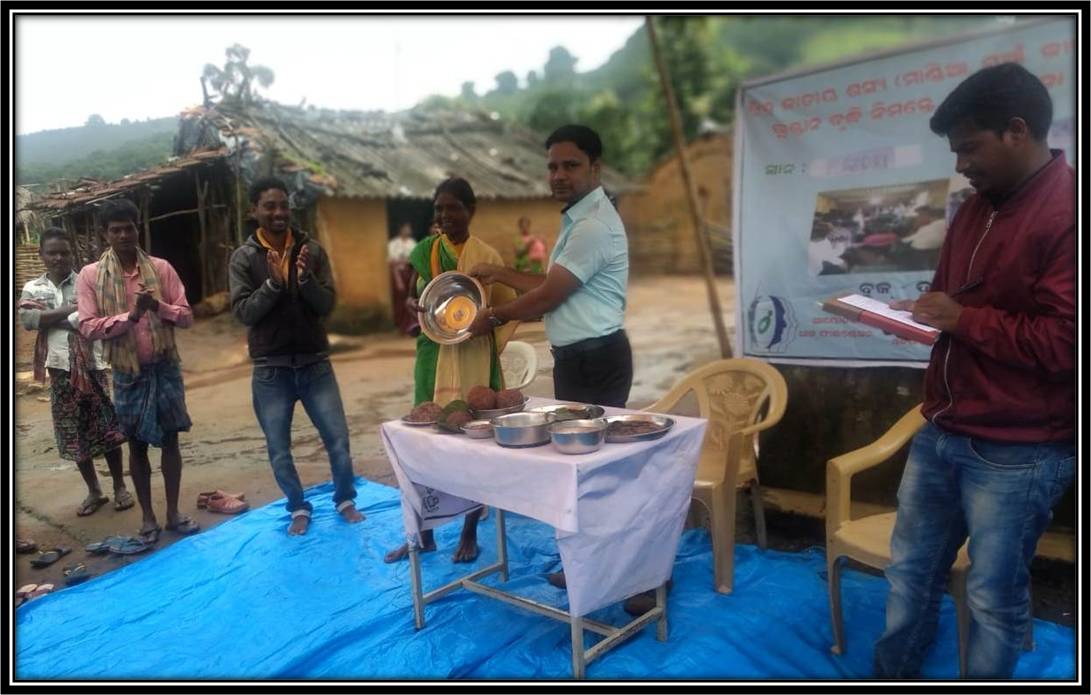
Odisha tribals possess knowledge of making different types of traditional millet recipes from finger millets for ages. In Odisha Millet Mission, Food festivals were conducted by DHAN Foundation in Dasamantpur Block of Koraput, where the tribal come out with the hidden talent of making food items with Finger Millet. Few feel shy, as they don’t want that someone should know their food items. To encourage them some prizes were kept for the best recipe.
(Figure: Distribution of prize to the first awardee for best recipe)
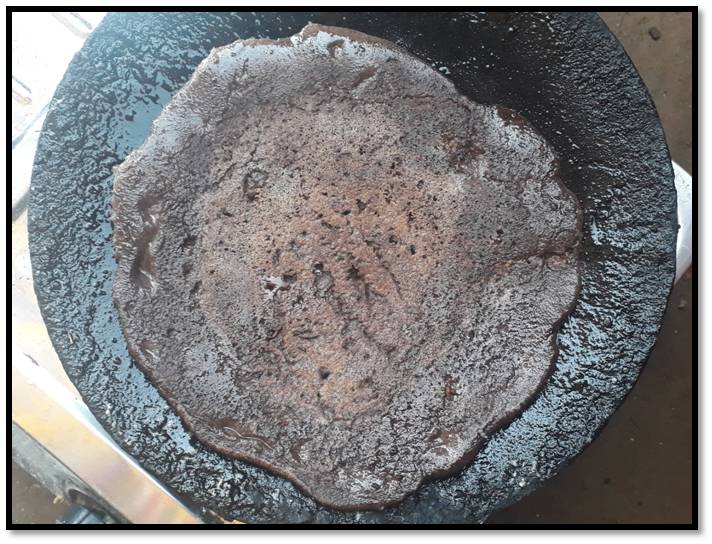
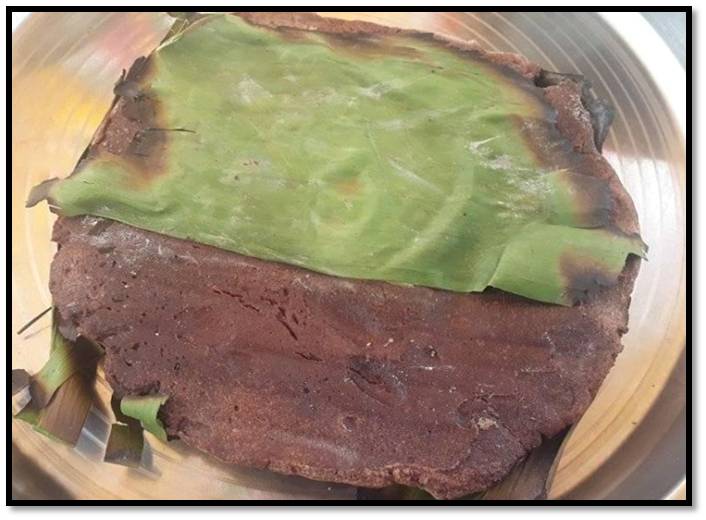
Information related to the traditional millet recipe out of finger millet was collected from 100 sample households. It was seen that most of them consumed one recipe most about 38 percent that is Jau (Finger Millet mixed with warm water). About 35 percent of household samples consumed Jau, Mudde & Tampa (1Rice:2Ragi flour). Few consumed Pitha occasionally. It was interesting to note that they also consumed other items like Ragi in between Jackfruit leaf (Water+Ragi Flour+Salt+Jaggery+Chilli). Cakes are made by wrapping ragi flour in maize husks or banana leaves and then roasted.
(Figure: Consumption of traditional local recipe by the sample households)
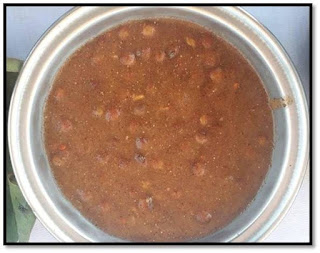
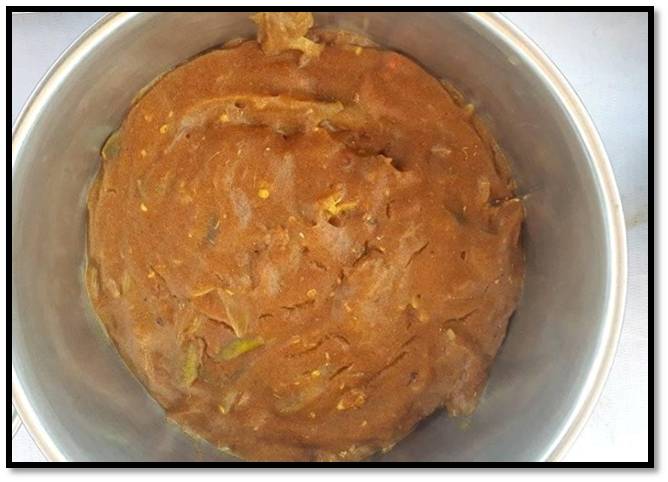
Photos of Tribal’s Traditional Millet Recipes:
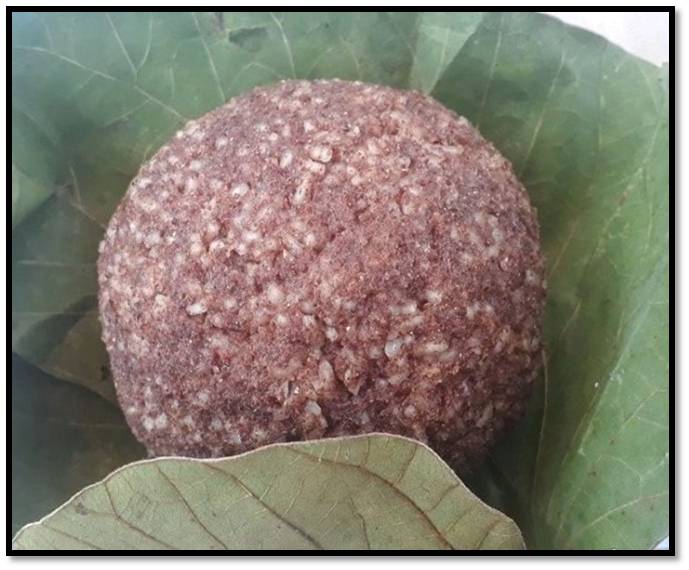
Mandia Anda (Ragi flour with broken Rice)
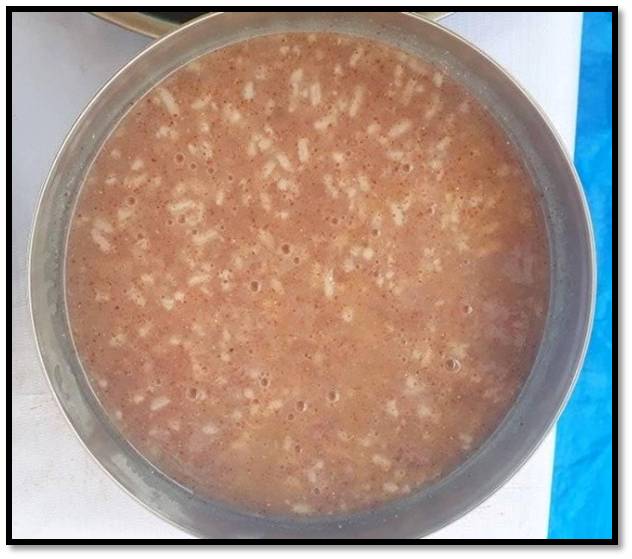
Mandia Tampa (Ragi flour with broken rice and warm water)
Mandia Roti (Ragi flour roti)
Mandia Pitha (Ragi flour in between Banana Leaves)
Mandia Kandul Raav (Ragi flour with Whole Arhar dal with some masala)
Mandia Sukua Raav (Ragi with dried fish and masala)
Consumption of Finger Millet:
This section is based on the facts and figures collected through the survey in addition to that through observation and discussion with people at the village level. It focuses on consumption-related indicators such as frequency and time of consumption, the quantity of consumption, and reasons for consumption.
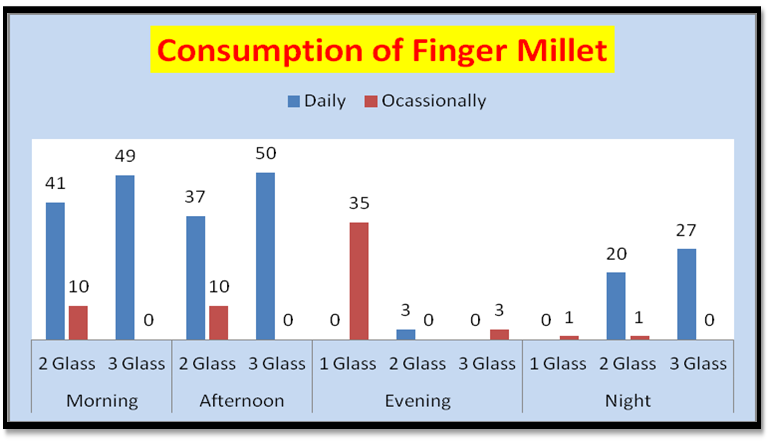
Information related to frequency and quantity of finger millet consumption is available for 100 sample households. All households had reported having consumed finger millet last year. Around 90 percent of them consumed it on a daily basis. Around 10 percent of households consumed it occasionally. To understand the time and quantity of consumption of the sample households, the quantity was taken in terms of the number of glasses, and the time was taken in the morning, afternoon, evening, and night.
It was observed that 41 percent of sample households had taken two glasses and 49 percent took 3 glasses in the morning. The rest details of consumption are in the figure below. So it is understood that most of the sample households take ragi during morning and afternoon time and few during night time.
But it was also observed that the quantity intake increases during the summer season and less or negligible during rainy days.
(Figure: Ragi consumption pattern on terms frequency, time and quantity)
Perception of Finger Millet Consumption: (100 respondents)
To understand the reasons for the consumption of Finger Millet from the 100 households, a ranking system of the reasons was taken into consideration. The reasons were:
1.More energetic than other food
2.Healthy food
3.Highly nutritious
4.Easy to digest
5.Controls blood sugar.
It is understood from the figure below that most of the household sample consumed finger millet as it gives more energy than other food and the least were unaware of the control of blood sugar.
(Figure: Ranking of perception on the finger millet consumption)
Millets are the storehouse of nutrients as they contain protein, fiber as well as micro-nutrients such as beta carotene, iron, and calcium. Ragi containing the highest amount of calcium i.e. 344 mg in 100 grams of Ragi. No doubt, the consumption of ragi is playing a good role to address malnutrition in tribals.
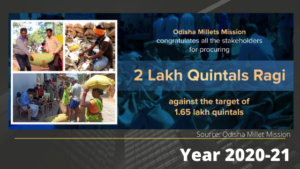
Odisha Millet Mission, taking the lead role to provide ragi in the Public Distribution System in Odisha at just Rs.1/kg. In the year 2019-20, around one lakh quintals and 2 lakh quintals in 2020-21 have been procured from the farmers of Odisha which will surely add momentum to address the consumption, malnutrition, and Nutritional Security.
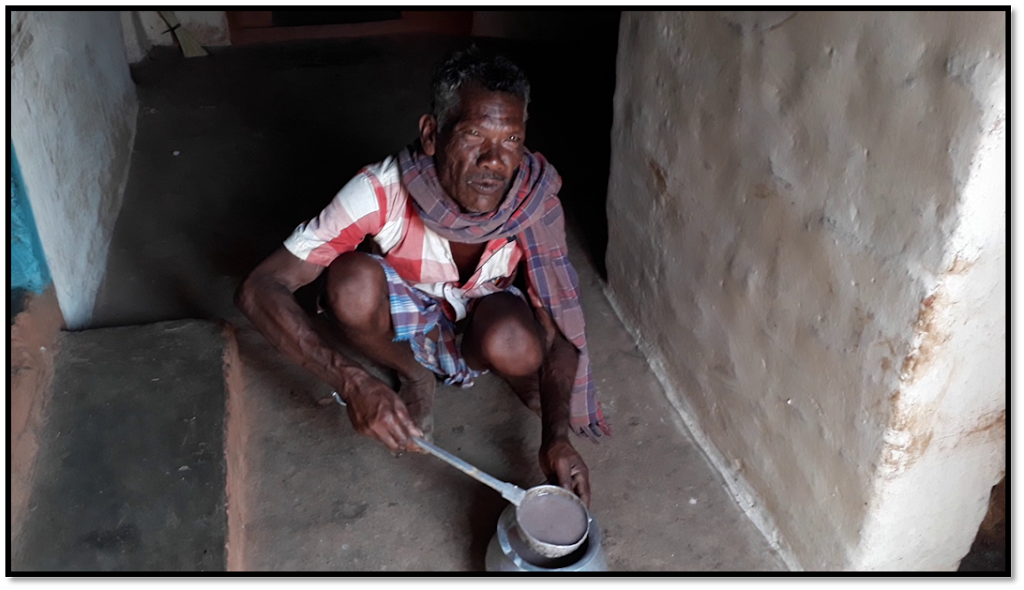
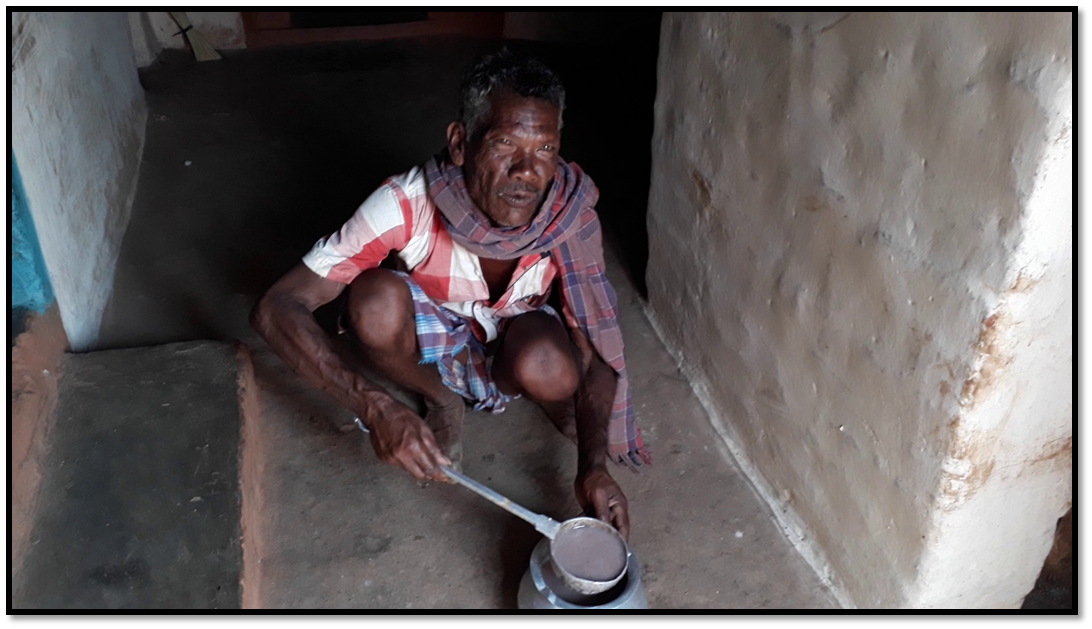
(Figure: Farmer showing his local Finger Millet recipe)
Conclusion:
Traditional millet recipes of tribals play an important role to address malnutrition in Koraput. But my concern is that children of tribals must be made more aware of the nutritional aspects of millets and introducing millets in the mid-day will be a wonderful step. Odisha Millet Mission has taken the step and getting an overwhelming response for this initiative.
Author: Tapas Chandra Roy, Certified Farm Advisor on Millets
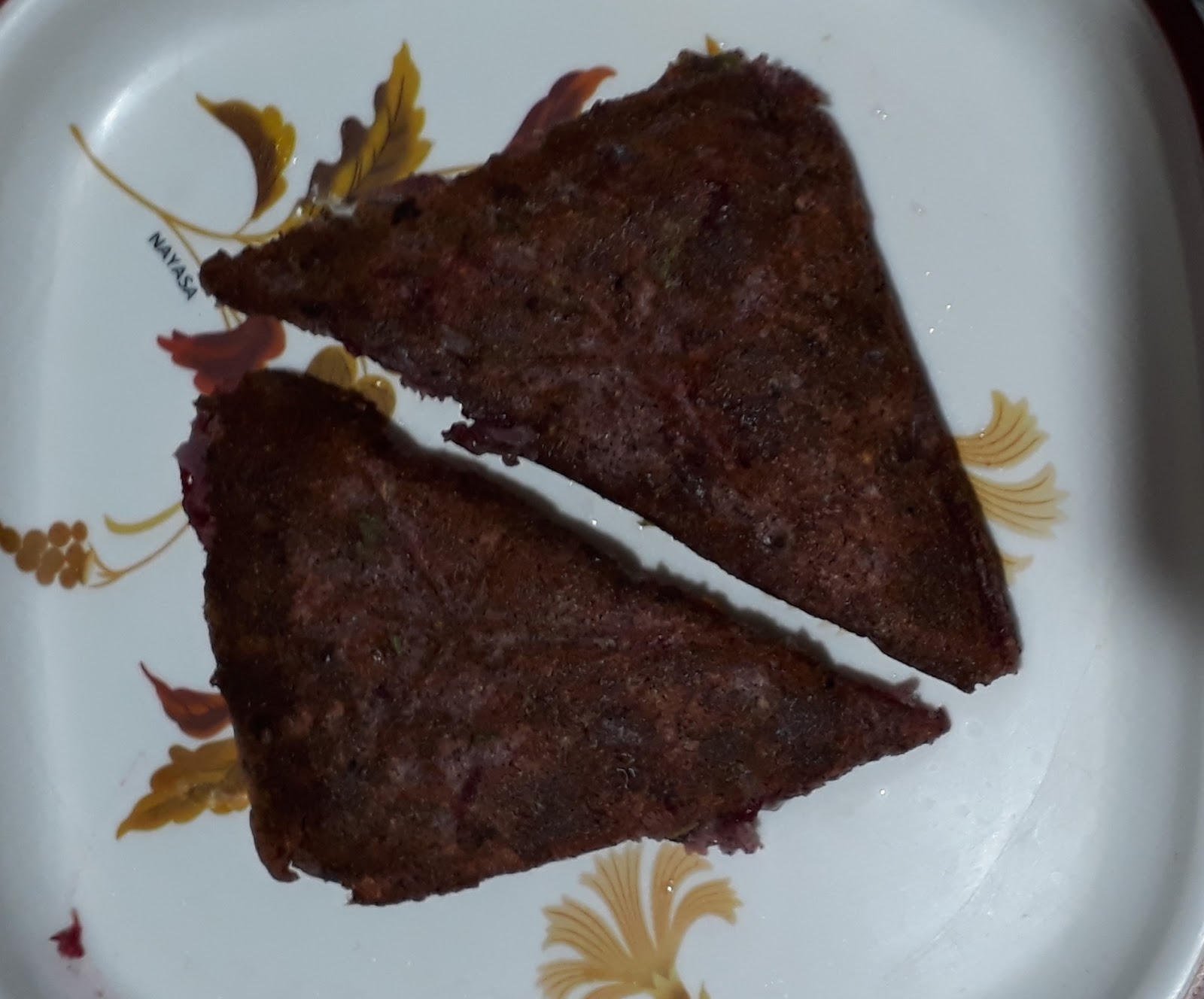
We all have heard about making a sandwich with bread, but today I will be presenting a new innovative millet recipe made with ragi. As you know ragi is having the highest calcium among the millets. Calcium is very good for bones.
So, lets us see what are the ingredients required for making the wonderful recipe.
Ingredients:
1. 2 Cup Idli Batter
2. 1 Cup Ragi flour
3. One grated onion
4. Few grated capsicums
5. Few grated carrots
6. 6-7 curry leaves
7. 2 green chilies
8. 2 tablespoon ghee
9. Salt (as per taste)
Preparation:
Firstly mix the idli batter and ragi flour in a bowl.
Add all the ingredients- onion, capsicum, carrot, curry leaves & green chili & salt.
Give it a good mix.
Grease the grill sandwich toaster with ghee
Put the mix in a grill sandwich toaster and put on a gas stove for 8-9 minutes by turning upside down as per the need.
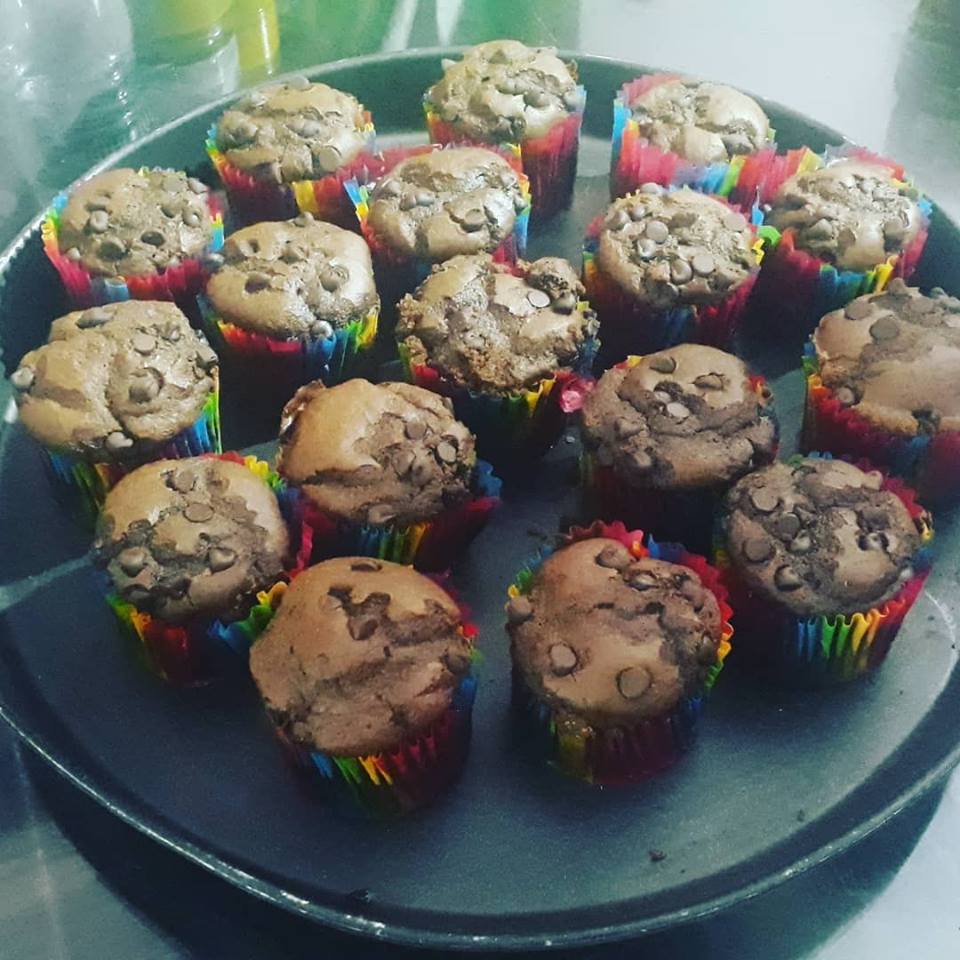
·Line muffin liners in the tart moulds or in the muffins tray.
·Preheat oven at 180 degrees.
·Dry roast Ragi flour for 3 to 4 minutes to get rid of the raw smell. Let it cool down.
·In a big bowl sieve the Ragi flour, wheat flour, cocoa powder, baking powder, baking soda
·In another bowl take butter, curd, vanilla essence and jaggery powder. Whisk it properly for 10 minutes.
·Add the jaggery mix to the dry ingredients and mix everything using cut and fold method. If required, adjust the consistency by adding little milk.
·Put the batter in the muffin liners. Top the muffins with some choco chips
·Bake in the preheated oven at 180 degree Celsius for 18 to 20 minutes till a skewer inserted comes out clean.
·Let them cool completely on a wire rack.
·Serve with love. Or store them in an airtight container. Remains good for 3 to 4 days at room temperature. You can keep in the refrigerator for a longer shelf life.
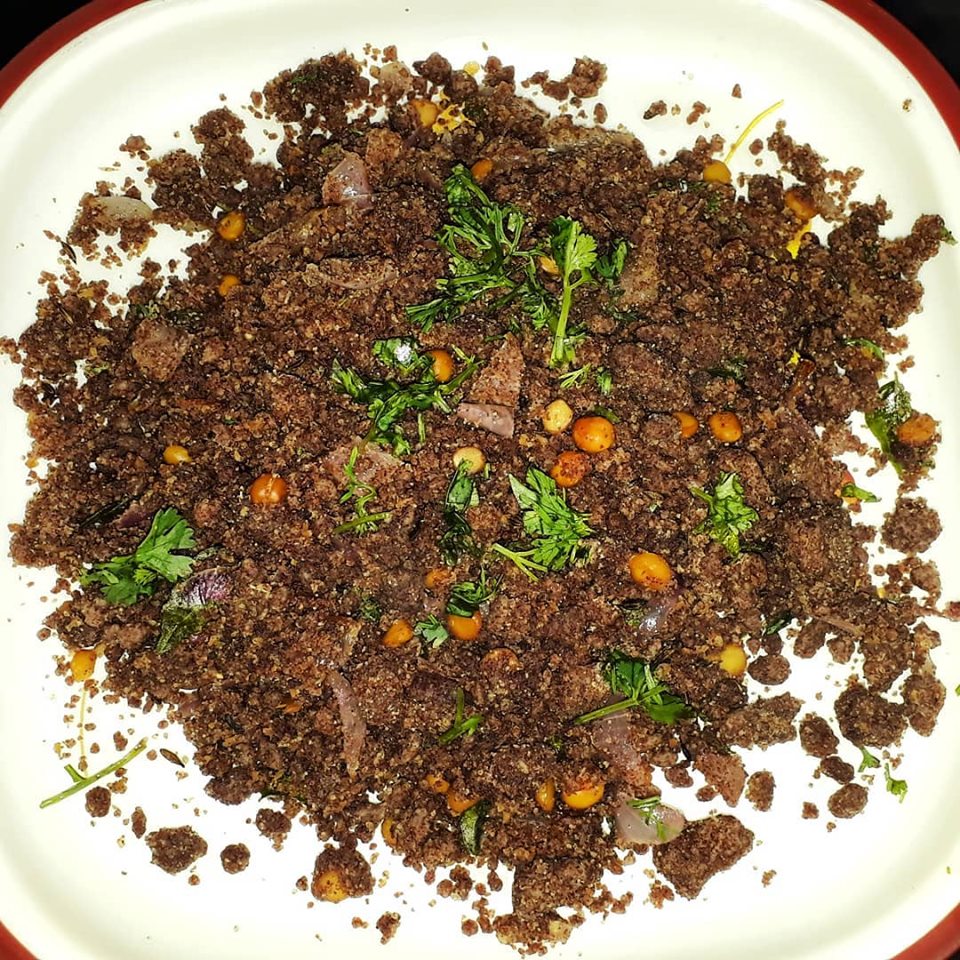
•Take 1 cup Ragi Flour in a bowl & add the curd and give a nice mix. Consistency should be such that it does not stick to your fingers. If required, you can add some water. Keep this mixture aside.
• Take a frying pan and put some oil/ghee after the pan is heated up and then put some cumin seeds, chana dal, green chilies, hing, curry leaves, and finally the chopped onion.
•Fry it for some time and then put the ragi flour mixture into the pan and mix it well.
•If required you can sprinkle some water on it and cover the pan with a lid for 5 minutes on a low flame.
•Finally, add the grated coconuts & chopped coriander leaves and give a nice mix.